When it comes to sorting algorithms, understanding time complexity is crucial for determining the efficiency of a particular algorithm. Time complexity refers to the amount of time an algorithm takes to complete as a function of the size of the input. In the context of sorting algorithms, time complexity is usually expressed in Big O notation, which gives an upper bound on the number of steps an algorithm takes. A lower time complexity generally indicates a more efficient algorithm.
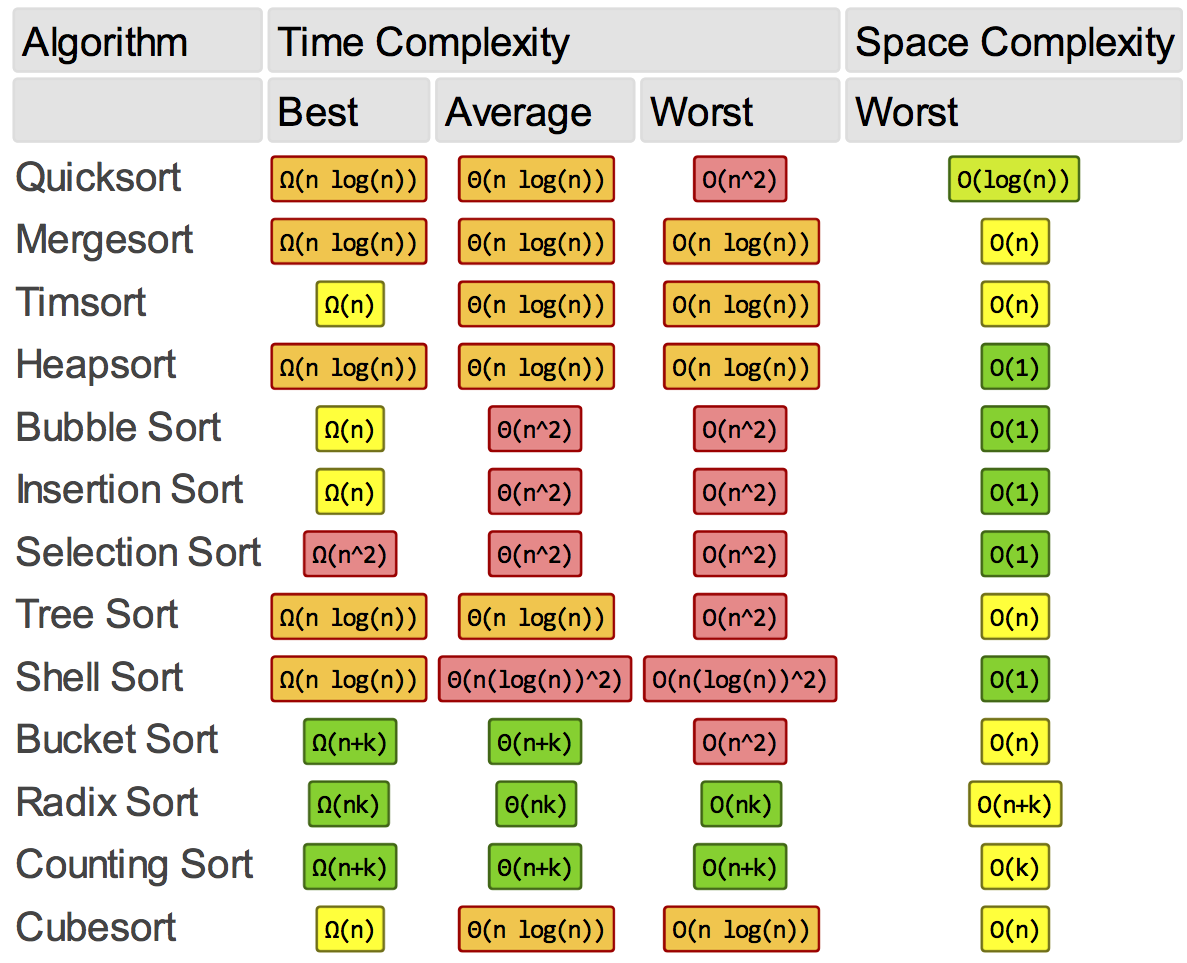
Sorting algorithms are a fundamental component of computer science, and their efficiency can greatly impact the performance of a program. With numerous sorting algorithms available, each with its own strengths and weaknesses, it can be challenging to decide which one to use. A time complexity chart of sorting algorithms can help developers make informed decisions by providing a visual representation of the trade-offs between different algorithms. By examining the time complexities of various sorting algorithms, developers can choose the most suitable algorithm for their specific use case.
Sorting Algorithms Thinking Like A Mathematician Class Notes
Understanding Time Complexity
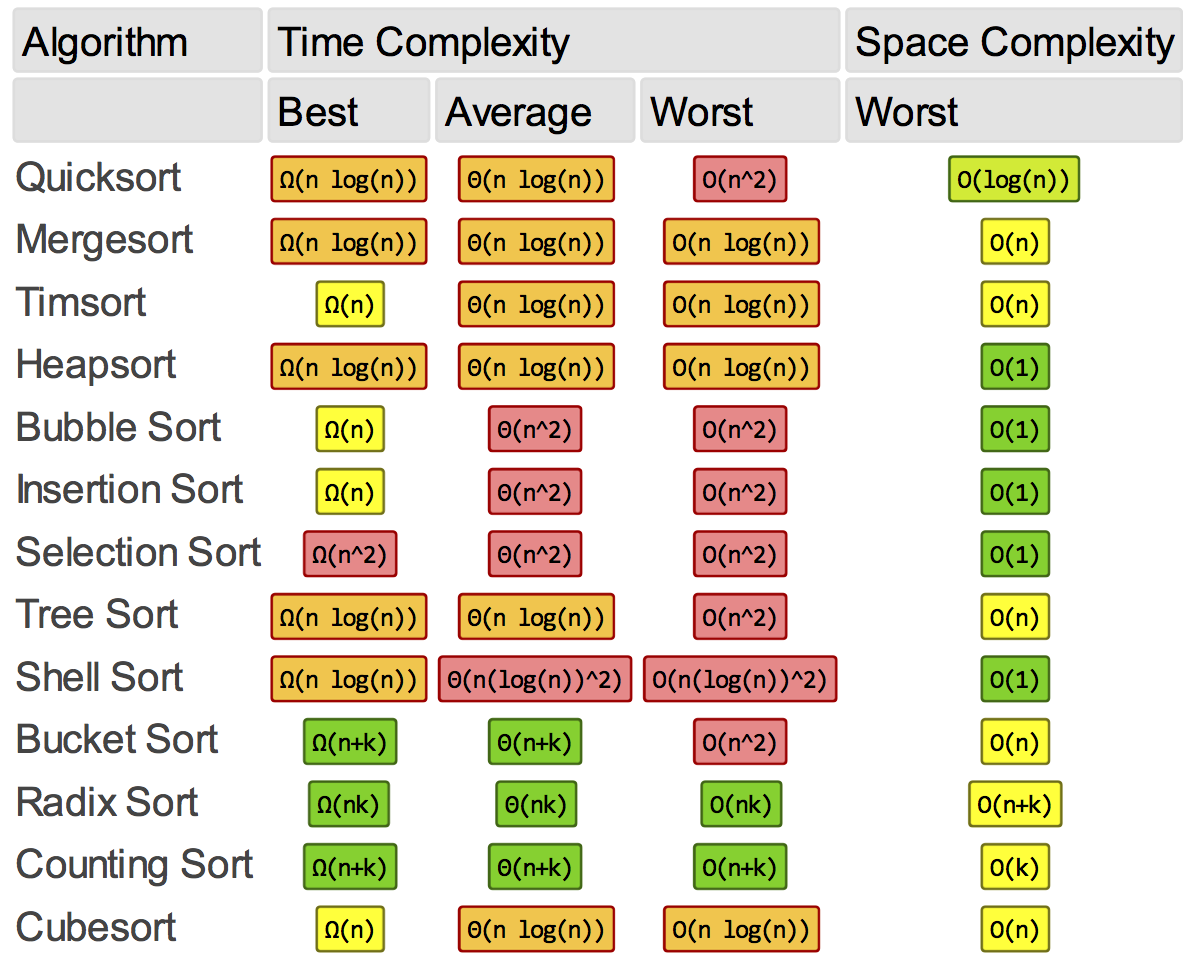
To grasp the concept of time complexity, it’s essential to understand the different notations used to express it. Big O notation, as mentioned earlier, provides an upper bound on the number of steps an algorithm takes. Other notations, such as Big Ω (omega) and Big Θ (theta), provide lower bounds and tight bounds, respectively. Understanding these notations is vital for analyzing and comparing the time complexities of different sorting algorithms. By recognizing the time complexity of an algorithm, developers can predict its performance and make informed decisions about its suitability for a particular task.
Sorting Algorithms Thinking Like A Mathematician Class Notes
Common Sorting Algorithms
Several common sorting algorithms are widely used in programming, each with its own time complexity. Bubble Sort, for example, has a time complexity of O(n^2), making it less efficient for large datasets. Selection Sort and Insertion Sort also have time complexities of O(n^2), although they perform better in certain scenarios. On the other hand, Merge Sort and Quick Sort have average time complexities of O(n log n), making them more suitable for large datasets. Understanding the time complexities of these algorithms is crucial for selecting the most efficient one for a specific use case.
Comparing Time Complexities
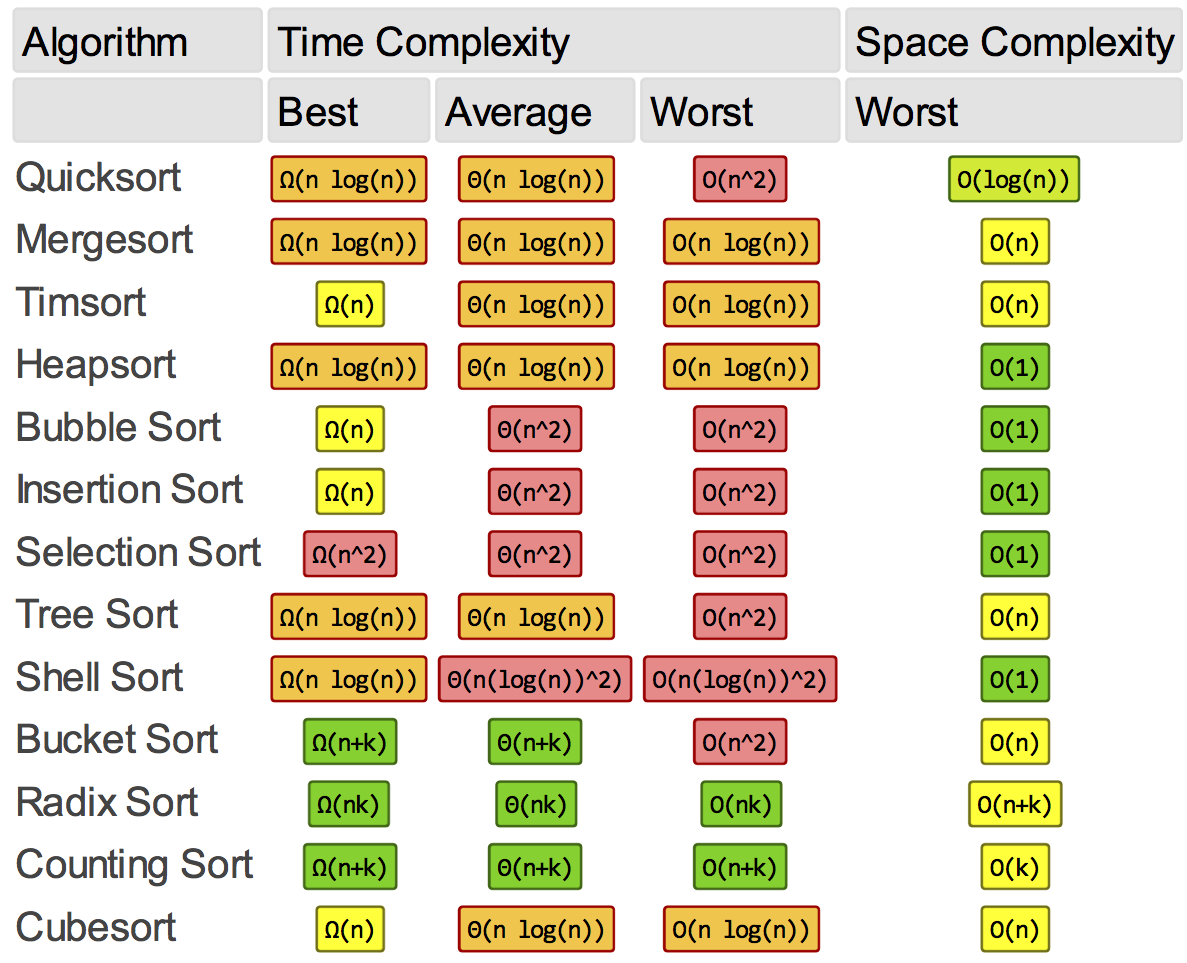
Comparing the time complexities of different sorting algorithms is essential for determining their efficiency. A time complexity chart can help visualize the trade-offs between different algorithms. By examining the chart, developers can quickly identify the most efficient algorithm for a particular dataset size. For instance, while Bubble Sort may be sufficient for small datasets, Merge Sort or Quick Sort may be more suitable for larger datasets. By considering the time complexities of different algorithms, developers can write more efficient code and improve the overall performance of their programs.
Sorting Algorithms Thinking Like A Mathematician Class Notes
In conclusion, understanding time complexity is vital for working with sorting algorithms. By recognizing the time complexities of different algorithms and using a time complexity chart to compare them, developers can make informed decisions about which algorithm to use. Whether working with small datasets or large ones, selecting the most efficient sorting algorithm can greatly impact the performance of a program. By mastering time complexity and choosing the right sorting algorithm, developers can write more efficient code and create better programs.
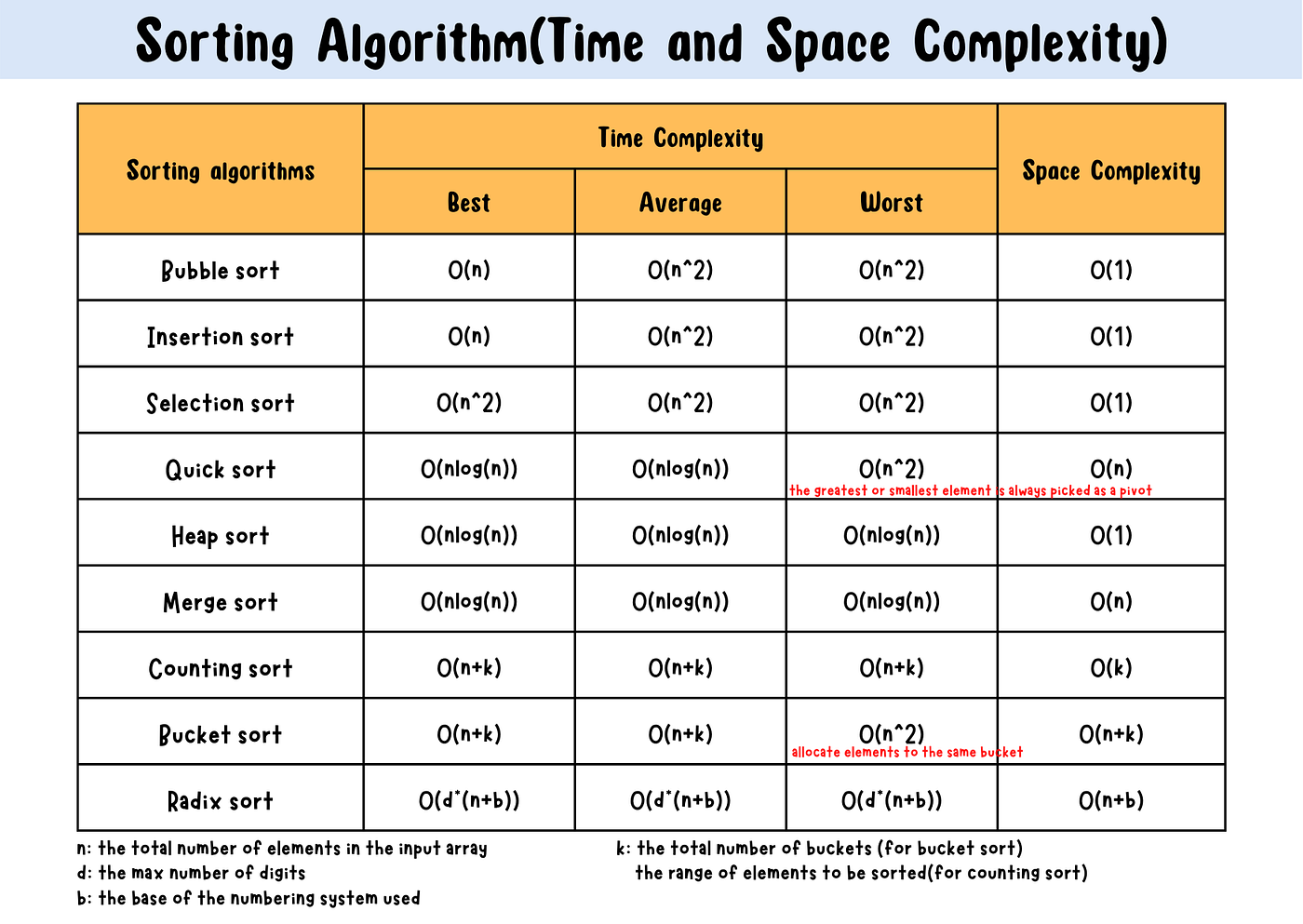
Sorting Algorithms Summary Bubble Sort Insertion Sort Selection By Claire Lee Medium
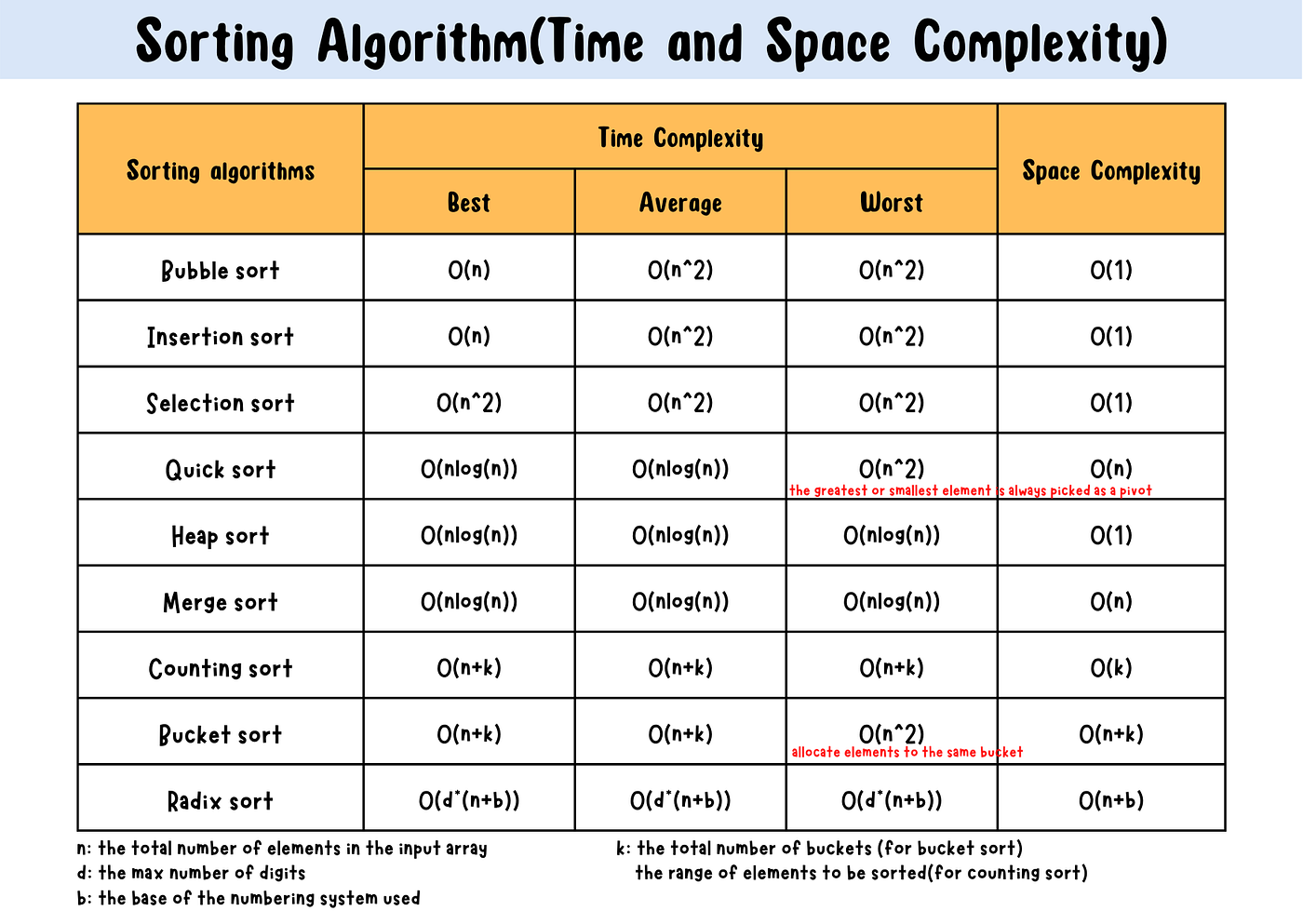
Sorting Algorithms Summary Bubble Sort Insertion Sort Selection By Claire Lee Medium