Project management is a complex process that involves planning, organizing, and controlling resources to achieve specific goals. One of the key aspects of project management is estimating the time required to complete tasks. Estimation is crucial because it helps project managers create realistic schedules, allocate resources, and set deadlines. There are several estimation techniques, including optimistic, most likely, and pessimistic estimates, which can be used to compute expected time and create effective Gantt charts.
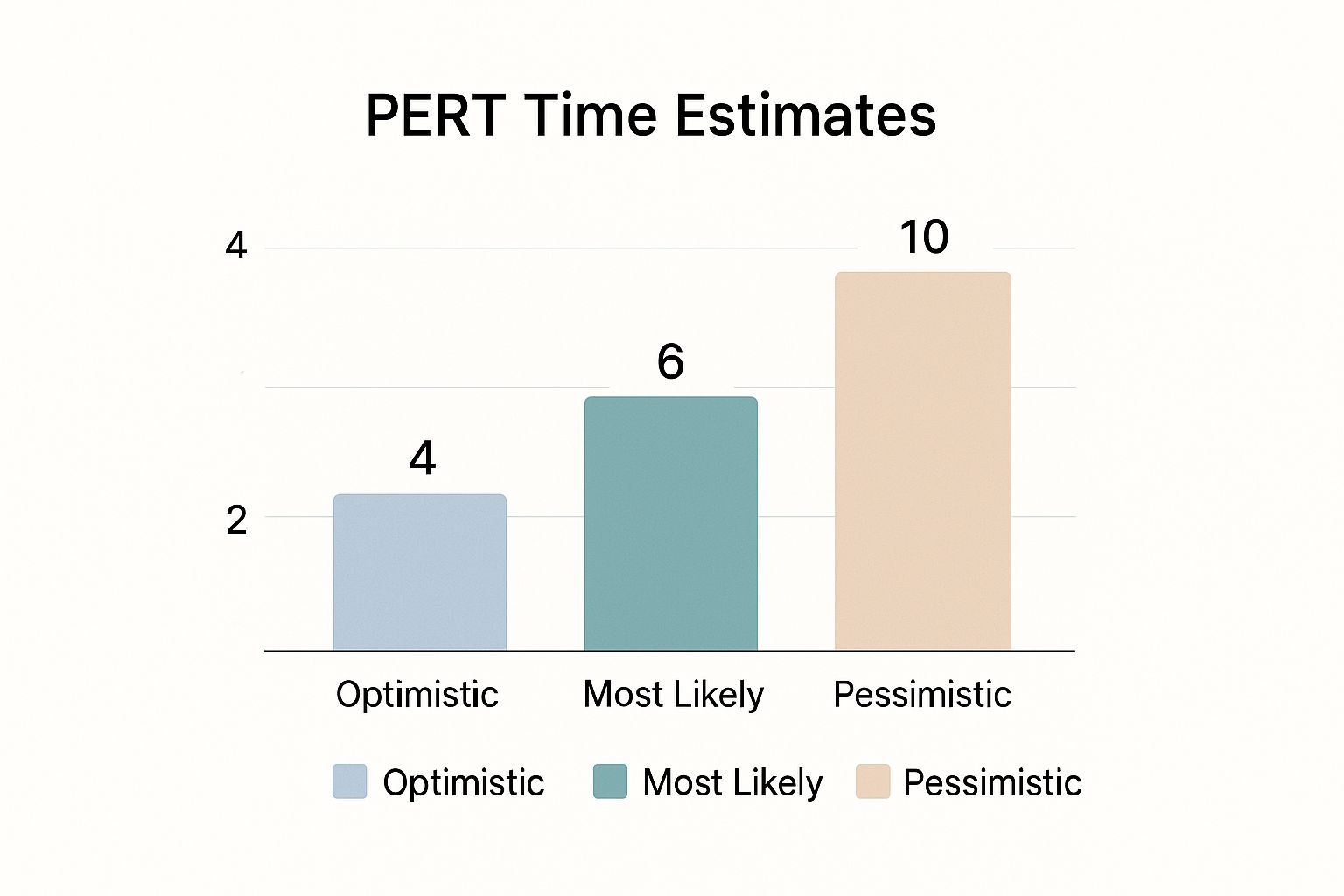
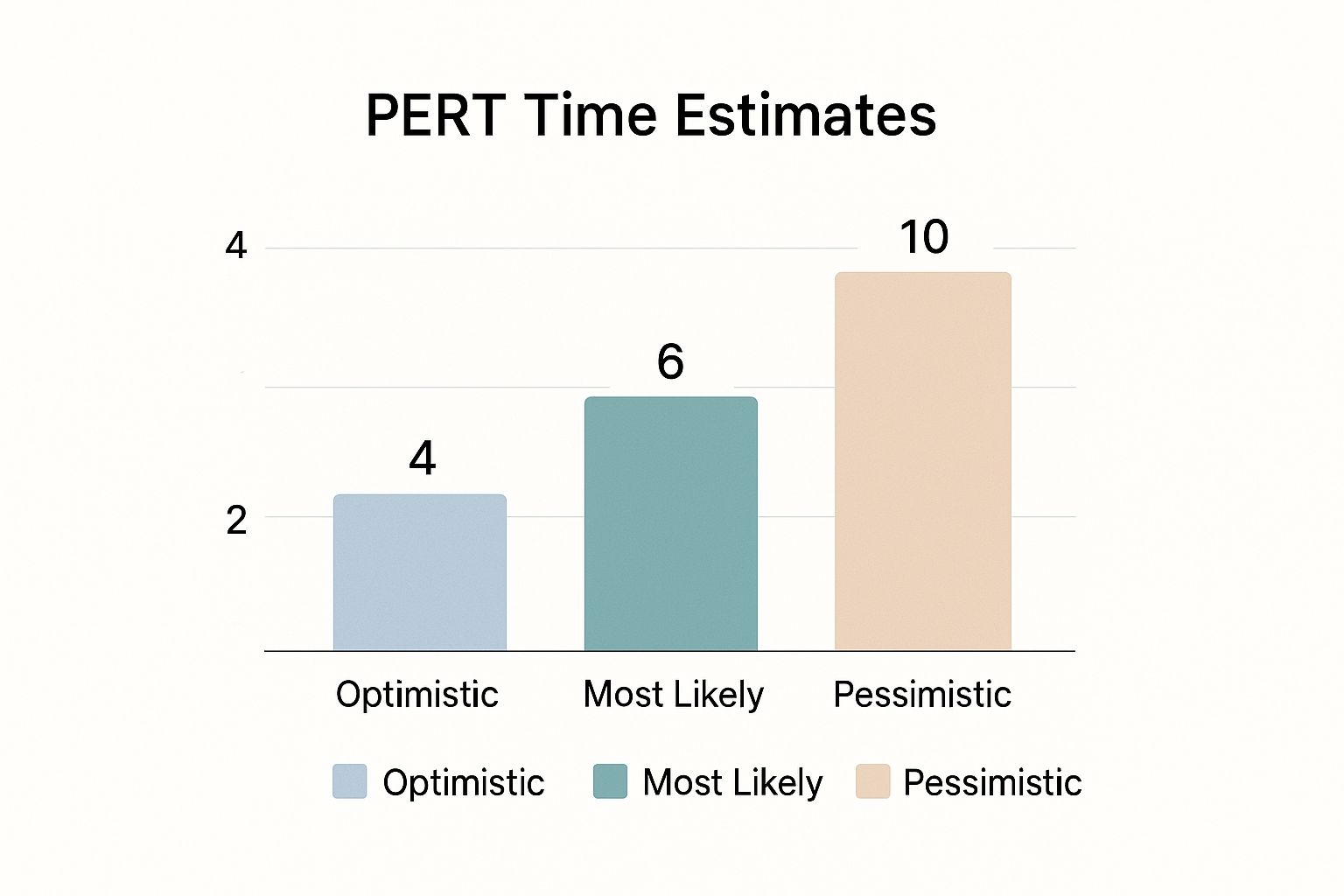
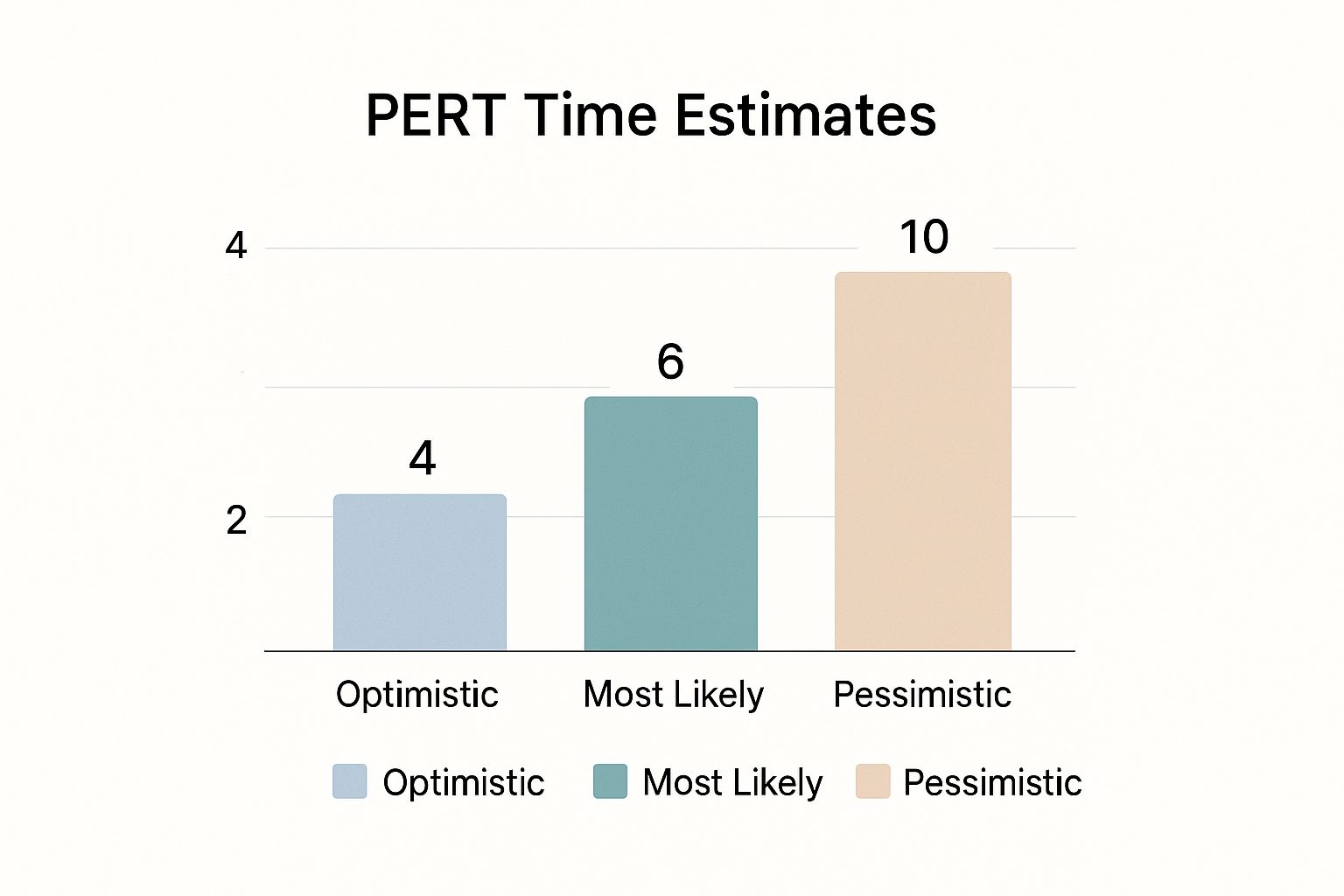
The optimistic estimate is the best-case scenario, where everything goes as planned, and the task is completed quickly. The most likely estimate is the most probable duration, considering normal circumstances. The pessimistic estimate, on the other hand, is the worst-case scenario, where unexpected problems arise, and the task takes longer to complete. By using these three estimates, project managers can calculate the expected time for each task and create a more realistic project schedule.
The Complete Guide To Gantt Charts
Understanding Optimistic, Most Likely, and Pessimistic Estimates
Understanding optimistic, most likely, and pessimistic estimates is essential for project managers. These estimates help to identify potential risks and uncertainties, allowing managers to develop contingency plans and allocate resources more effectively. By analyzing these estimates, managers can also identify tasks that are critical to the project’s success and require more attention. Additionally, understanding these estimates enables managers to communicate more effectively with stakeholders, providing them with a clear understanding of the project’s timeline and potential risks.
The Complete Guide To Gantt Charts
Computing Expected Time for Tasks
Computing expected time for tasks is a critical step in project management. The expected time is calculated using the formula: (Optimistic + 4*Most Likely + Pessimistic) / 6. This formula provides a weighted average of the three estimates, giving more importance to the most likely estimate. By using this formula, project managers can calculate the expected time for each task and create a more realistic project schedule. The expected time is then used to create a Gantt chart, which is a visual representation of the project schedule.
Creating a Gantt Chart for Project Visualization
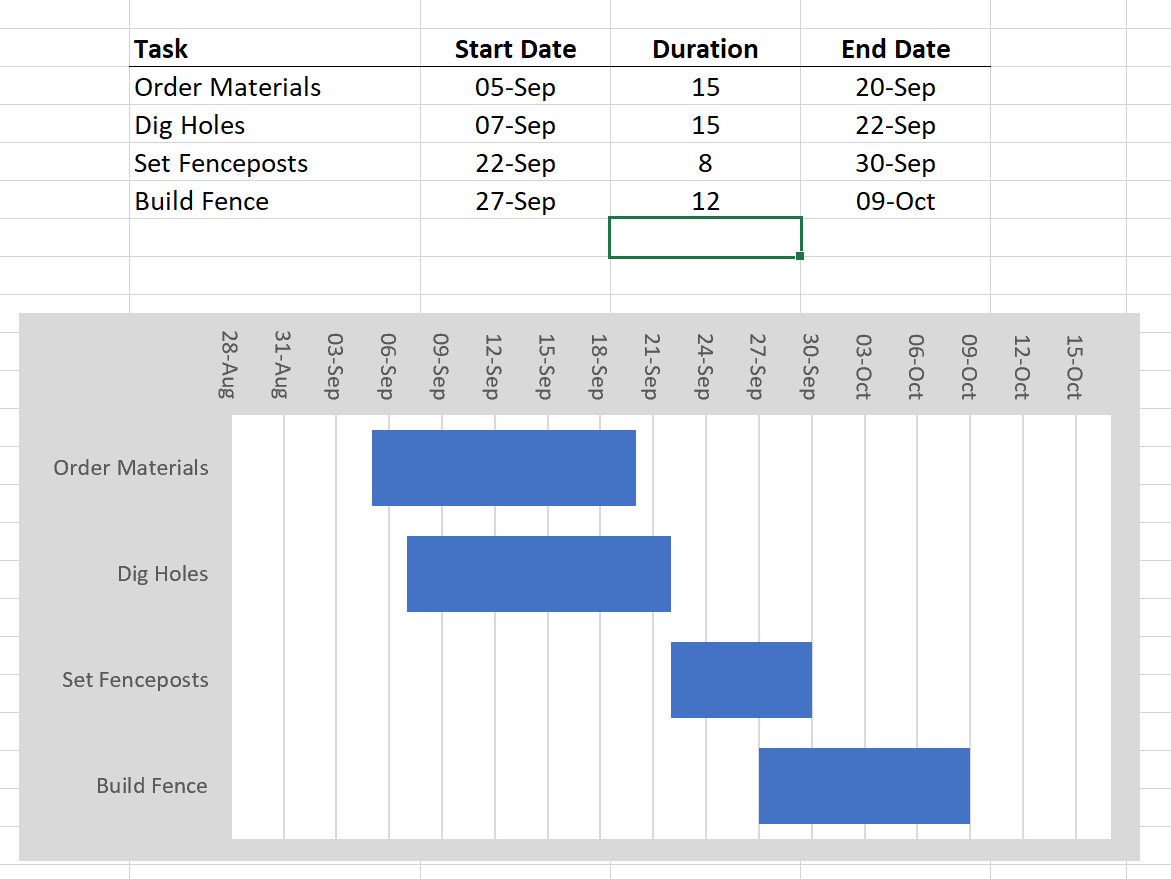
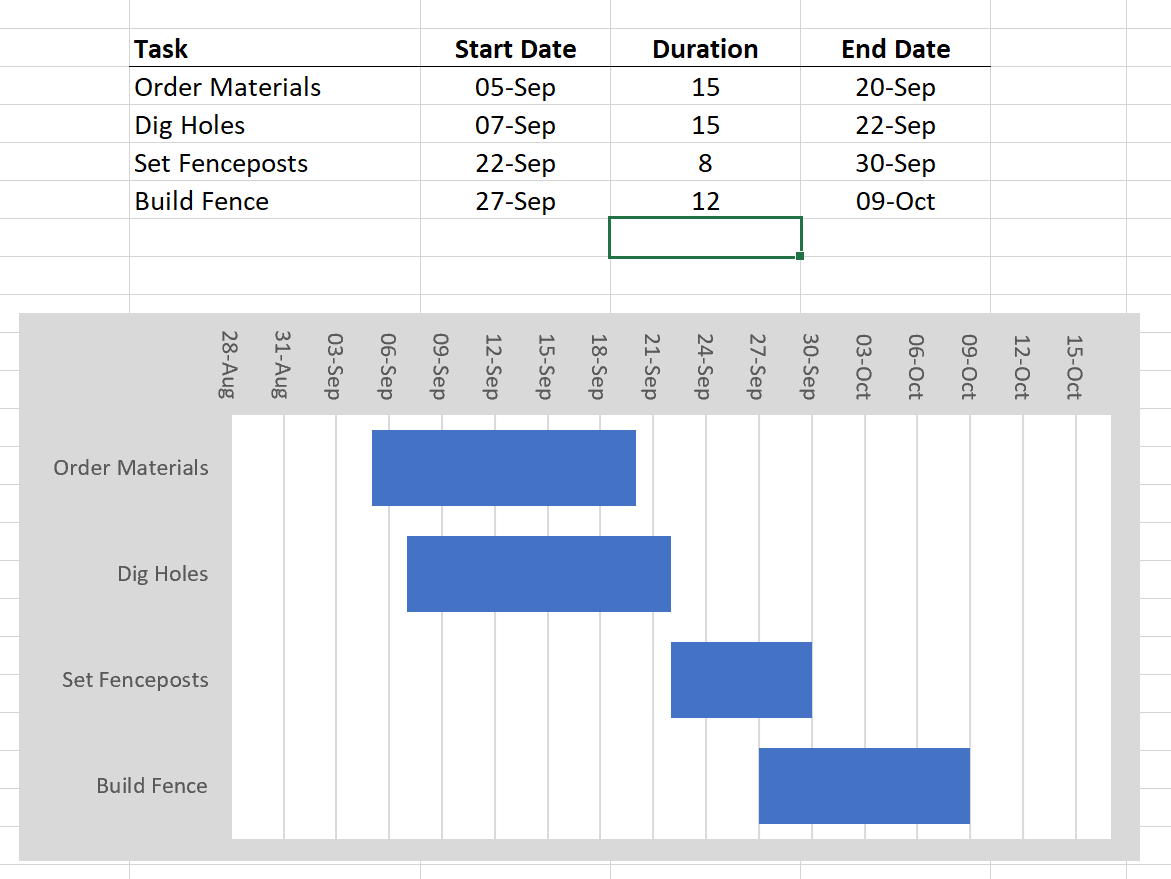
Creating a Gantt chart is an essential step in project visualization. A Gantt chart is a bar chart that shows the tasks, dependencies, and timelines of a project. It helps project managers to visualize the project schedule, identify critical tasks, and allocate resources more effectively. By using a Gantt chart, managers can also track progress, identify delays, and make adjustments to the project schedule as needed. The chart is created by plotting the tasks on a timeline, using the expected time calculated earlier. The chart also shows the dependencies between tasks, allowing managers to identify critical paths and potential bottlenecks.
Gantt Vs PERT Chart The Right Tool For Your Project
In conclusion, mastering project management requires a deep understanding of optimistic, most likely, and pessimistic estimates. By using these estimates to compute expected time and create effective Gantt charts, project managers can streamline their project management processes, allocate resources more effectively, and achieve their goals. Whether you are a seasoned project manager or just starting out, understanding these concepts is essential for delivering successful projects on time, within budget, and to the required quality standards.
Gantt Vs PERT Chart The Right Tool For Your Project
Gantt Vs PERT Chart The Right Tool For Your Project