Rosa Parks is an iconic figure in American history, known for her courageous act of defiance against racial segregation on public transportation. On December 1, 1955, Parks refused to give up her seat on a Montgomery, Alabama bus to a white person, sparking a wave of protests and boycotts that would change the course of the Civil Rights Movement. But Parks’ story began long before that fateful day, with a life marked by activism and a commitment to fighting for equality.
Born on February 4, 1913, in Tuskegee, Alabama, Parks grew up in a world where racial segregation was deeply ingrained. Despite the challenges she faced, Parks became involved in the NAACP and other civil rights organizations, working tirelessly to register African American voters and advocate for their rights. Her experiences and activism laid the groundwork for her famous act of resistance on the Montgomery bus, which would become a catalyst for the movement.

SUNRISE CHART Save Standard Time
Early Life and Activism
Parks’ early life and activism played a significant role in shaping her into the courageous woman who would challenge the status quo. Growing up in a family that valued education and equality, Parks was exposed to the harsh realities of racism from a young age. She attended the Montgomery Industrial School for Girls, where she was taught by white teachers who instilled in her a sense of self-worth and determination. These early experiences would later influence her decision to become involved in the Civil Rights Movement, paving the way for her historic act of defiance.

SUNRISE CHART Save Standard Time
The Montgomery Bus Boycott
The Montgomery Bus Boycott, which lasted for 381 days, was a pivotal moment in the Civil Rights Movement. The boycott, led by Dr. Martin Luther King Jr., was a response to Parks’ arrest and the subsequent mistreatment of African Americans on public transportation. The boycott ended with the U.S. Supreme Court ruling that segregation on public buses was unconstitutional, marking a major victory for the movement. Parks’ bravery had sparked a chain reaction of events that would continue to shape the course of American history.
Legacy and Impact
Parks’ legacy extends far beyond her famous act of defiance. She continued to work tirelessly for civil rights, attending marches and rallies, and advocating for voting rights and education. Her courage and determination inspired a generation of activists, including Dr. Martin Luther King Jr., who credited Parks with sparking the Montgomery Bus Boycott. Today, Parks is remembered as a hero and a symbol of resistance against oppression, with her name becoming synonymous with bravery and determination.
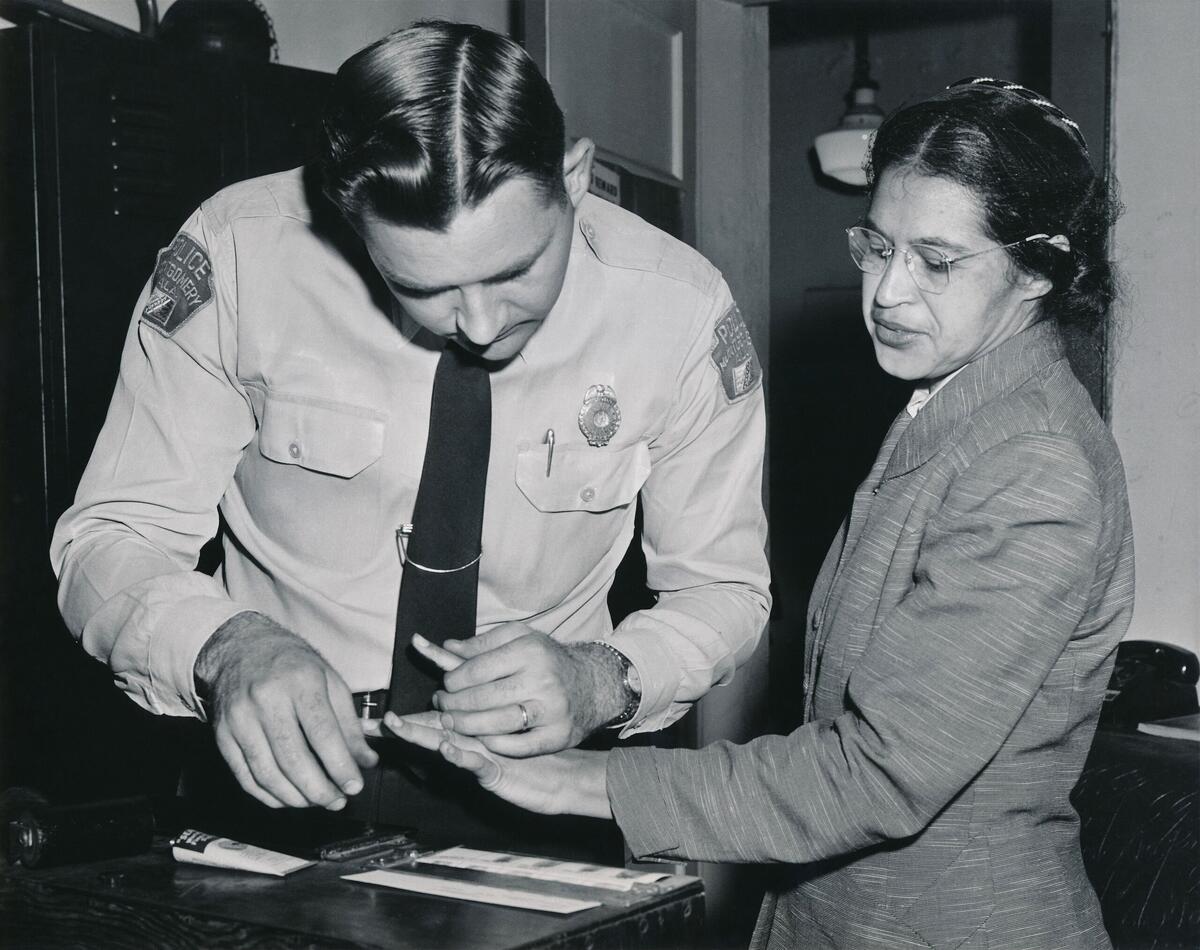
File Rosa Parks Being Fingerprinted By Deputy Sheriff D H Lackey After Being Arrested On February 22 1956 During The Montgomery Bus Boycott Jpg Wikipedia
The impact of Parks’ actions can still be felt today, with her legacy continuing to inspire social justice movements around the world. The Rosa Park Time Chart serves as a reminder of the power of individual activism and the importance of standing up against injustice. As we reflect on Parks’ life and legacy, we are reminded of the ongoing struggle for equality and the need for continued activism and advocacy. By exploring the key events and milestones in Parks’ life, we can gain a deeper understanding of the Civil Rights Movement and its ongoing relevance in modern society.
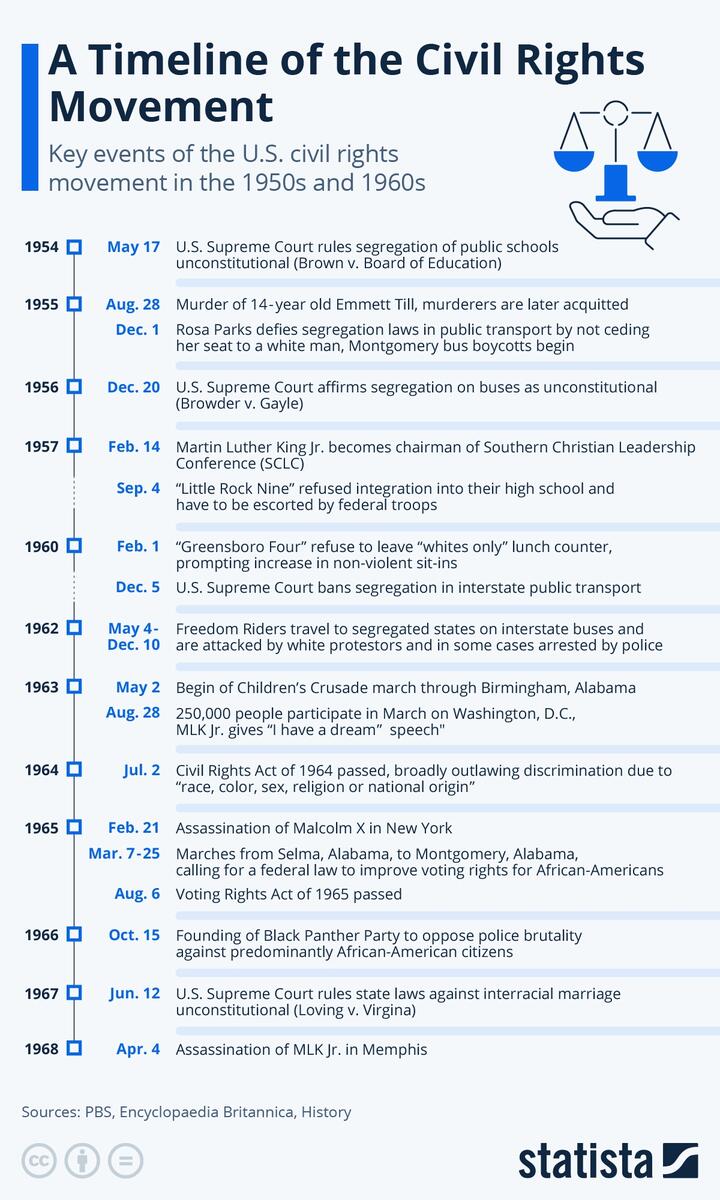
Chart A Timeline Of The Civil Rights Movement Statista
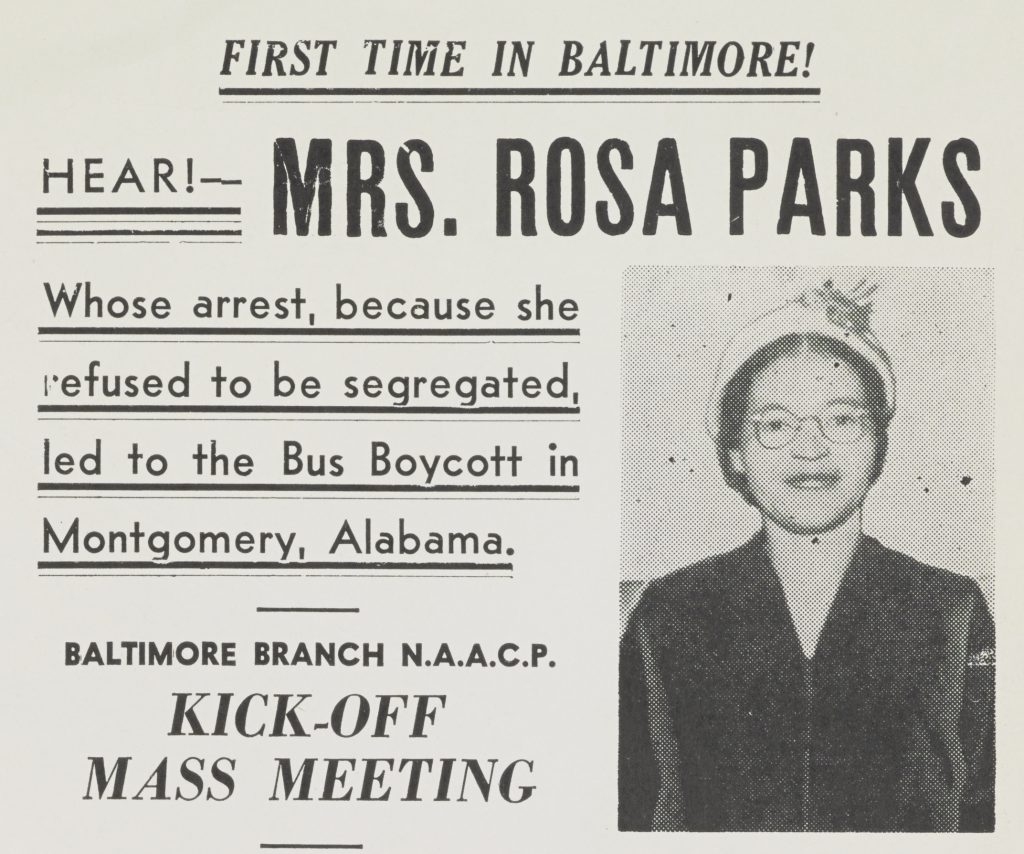
Using The Rosa Parks Collection To Foster Student Inquiry Of Parks Depictions In Civil Rights Narratives Part 1 Teaching With The Library