When working with time-based data, choosing the right chart type is crucial for effective communication and analysis. Time-based data can be complex and nuanced, and the wrong chart type can obscure important trends and patterns. On the other hand, the right chart type can reveal insights and help you make informed decisions. With so many chart types to choose from, it can be overwhelming to decide which one is best for your data.
Time-based data can take many forms, from website traffic and sales figures to weather patterns and stock prices. Regardless of the specific data, the goal is always to understand how it changes over time. By selecting the right chart type, you can create a clear and compelling visual narrative that helps you and your audience understand the data. In this article, we’ll explore the best chart types for time-based data and provide tips for choosing the right one for your needs.
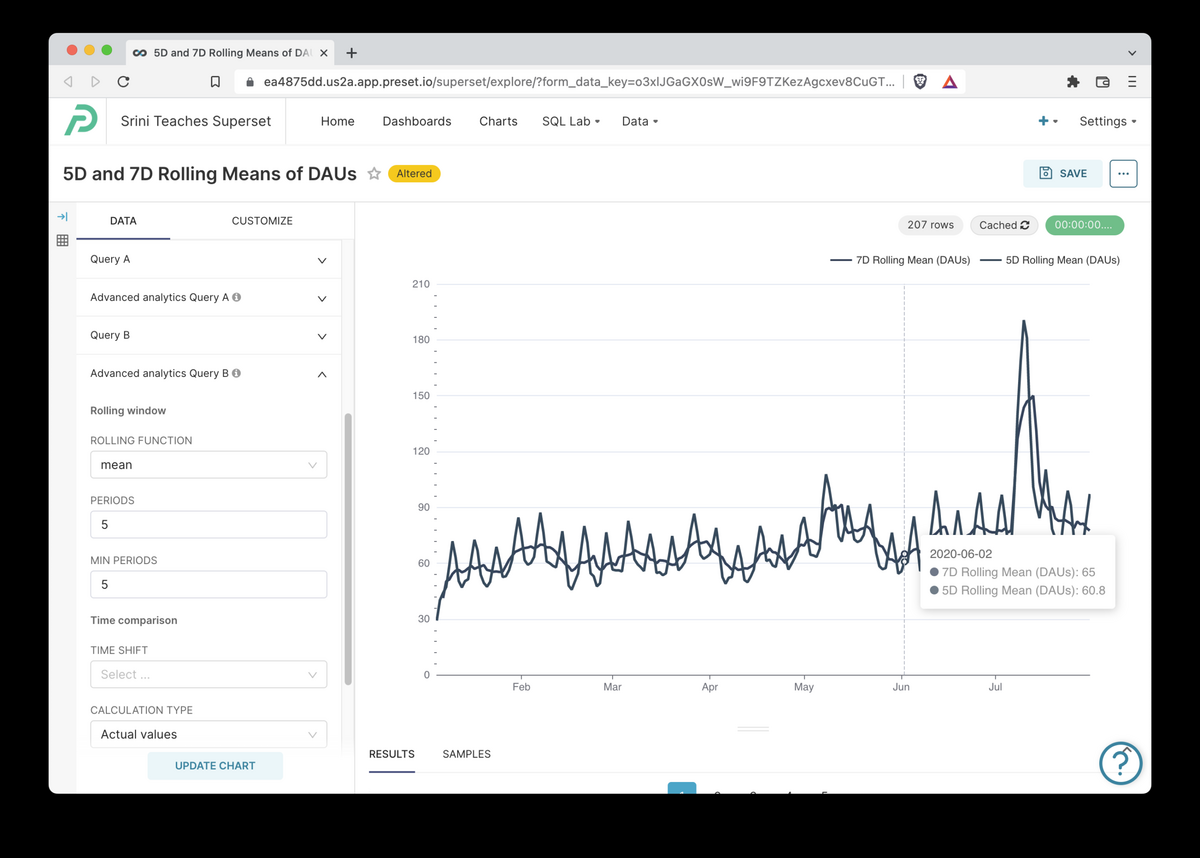
Mixed Time Series Data Visualization In Superset Preset
Line Charts for Time Series Data
Line charts are one of the most popular chart types for time series data, and for good reason. They are simple, intuitive, and effective at showing trends and patterns over time. By plotting data points on a continuous line, you can see how values change from one time period to the next. Line charts are particularly useful for showing seasonal fluctuations, long-term trends, and correlations between different data sets.
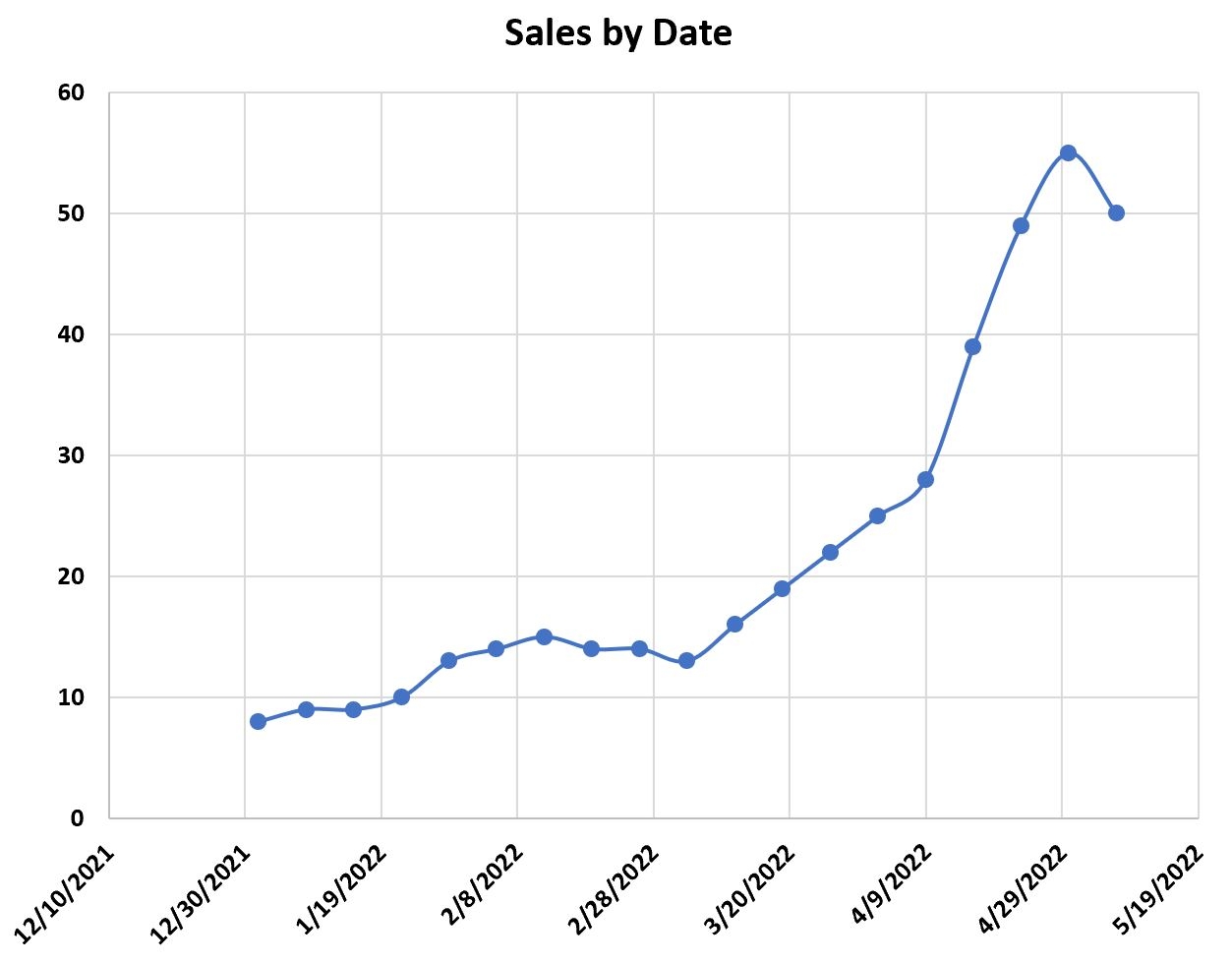
How To Plot A Time Series In Excel A Step By Step Guide
Bar Charts for Categorical Time Data
Bar charts are another popular chart type for time-based data, particularly when working with categorical data. By grouping data into distinct categories, you can compare values across different time periods. Bar charts are useful for showing how different categories contribute to overall trends and patterns. For example, you might use a bar chart to show how sales figures vary by month or quarter.
Area Charts for Cumulative Time Data
Area charts are similar to line charts, but they fill in the area under the line to create a cumulative effect. This makes them particularly useful for showing how values accumulate over time. Area charts are often used to show stock prices, revenue growth, or other types of cumulative data. By using area charts, you can create a powerful visual narrative that shows how different data sets contribute to overall trends and patterns.
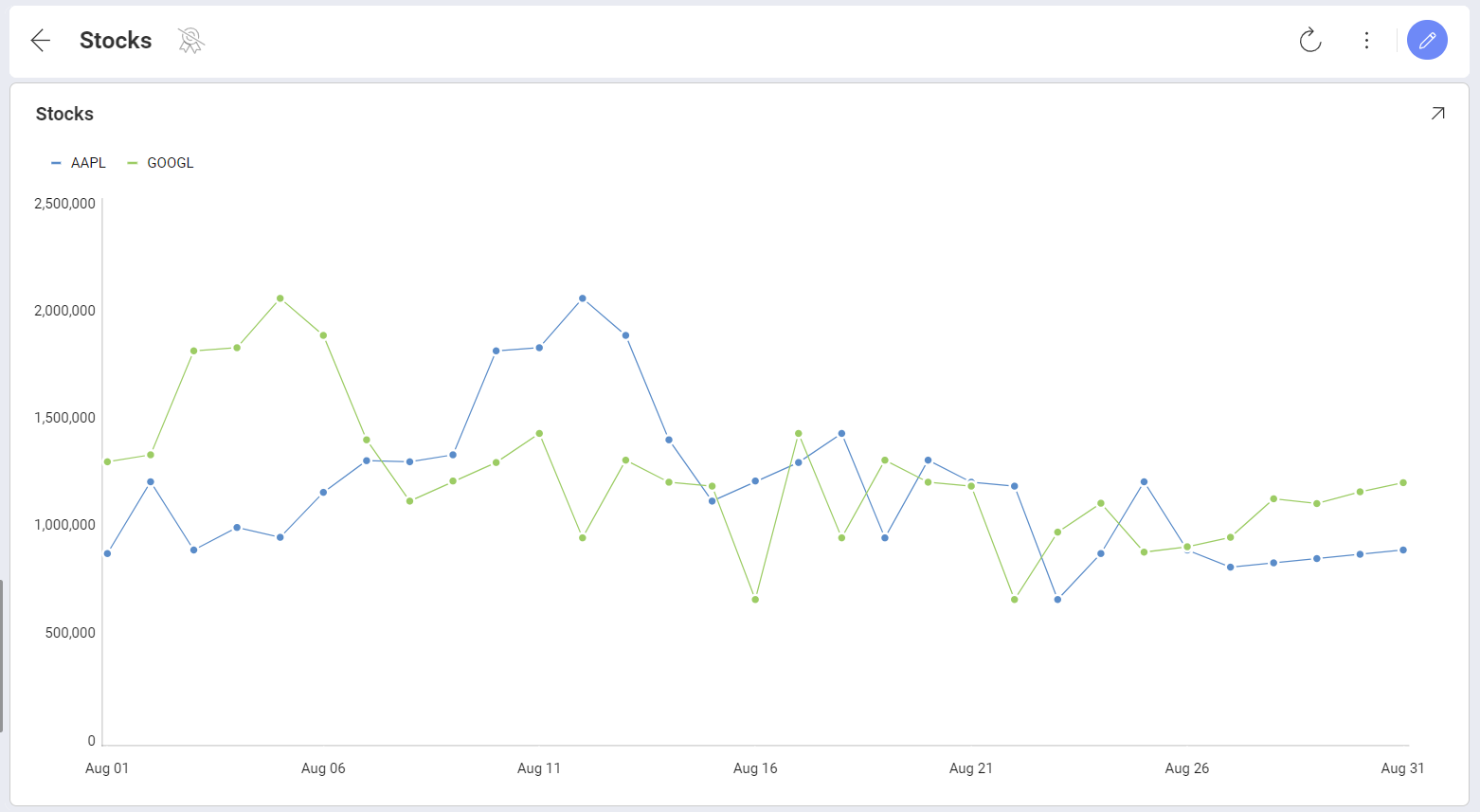
How To Create Time Series Chart Visualization
Ultimately, the right chart type for time-based data will depend on your specific goals and needs. By considering the type of data you’re working with, the story you want to tell, and the insights you want to convey, you can choose a chart type that effectively communicates your message. Whether you’re working with line charts, bar charts, or area charts, the key is to select a chart type that reveals the underlying trends and patterns in your data.
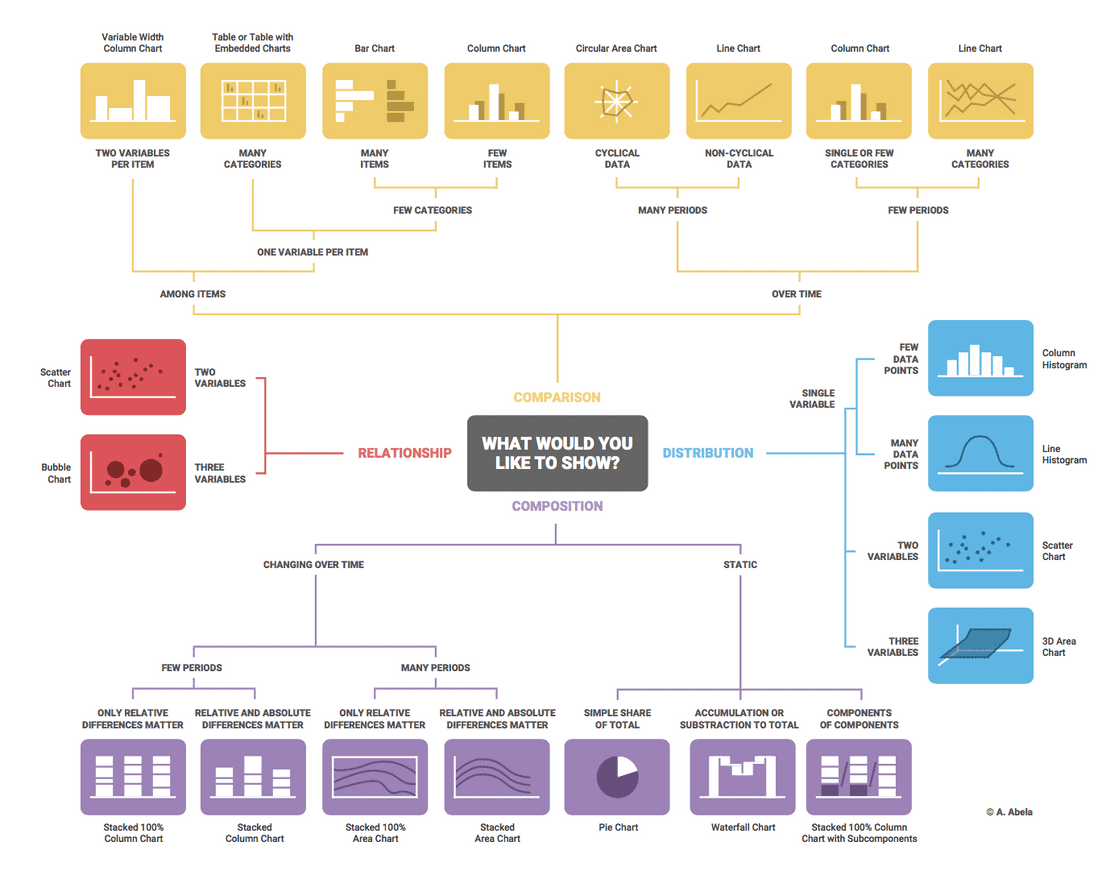
How To Choose The Right Chart For Your Data Biuwer
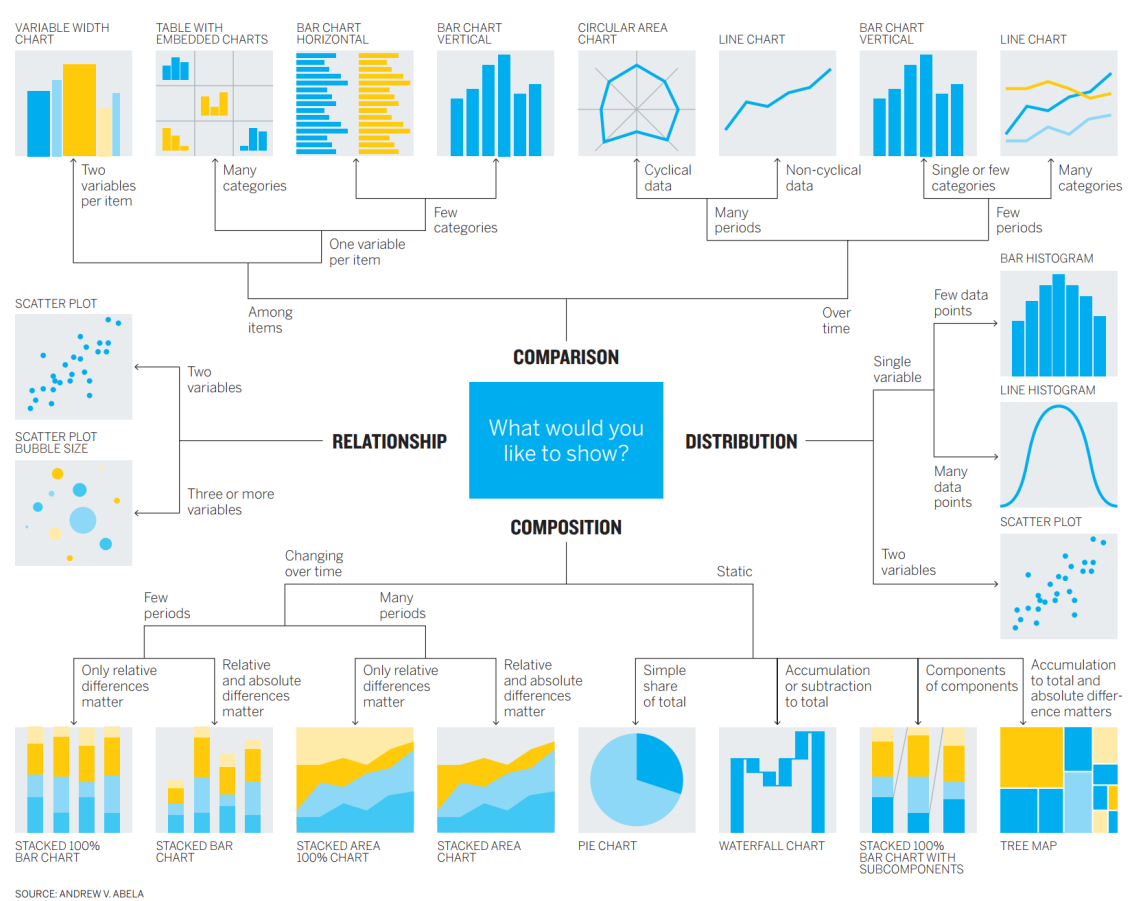
How To Choose The Right Chart For Data Visualization MinTea S Corner