Discrete time series data is a type of data that is collected at regular intervals, such as daily, weekly, or monthly. This type of data is commonly used in finance, economics, and other fields to analyze and forecast trends. Charting discrete time series data is an essential step in understanding and working with this type of data. It allows you to visualize the data and identify patterns, trends, and correlations that may not be apparent from looking at the raw data alone.
Charting discrete time series data can be a complex task, especially for those who are new to data analysis. There are many different tools and techniques that can be used to chart discrete time series data, and choosing the right one can be overwhelming. However, with the right guidance and practice, anyone can learn how to chart discrete time series data effectively. In this article, we will provide a step-by-step guide on how to chart discrete time series data, including how to prepare your data, choose the right charting tool, and interpret the results.
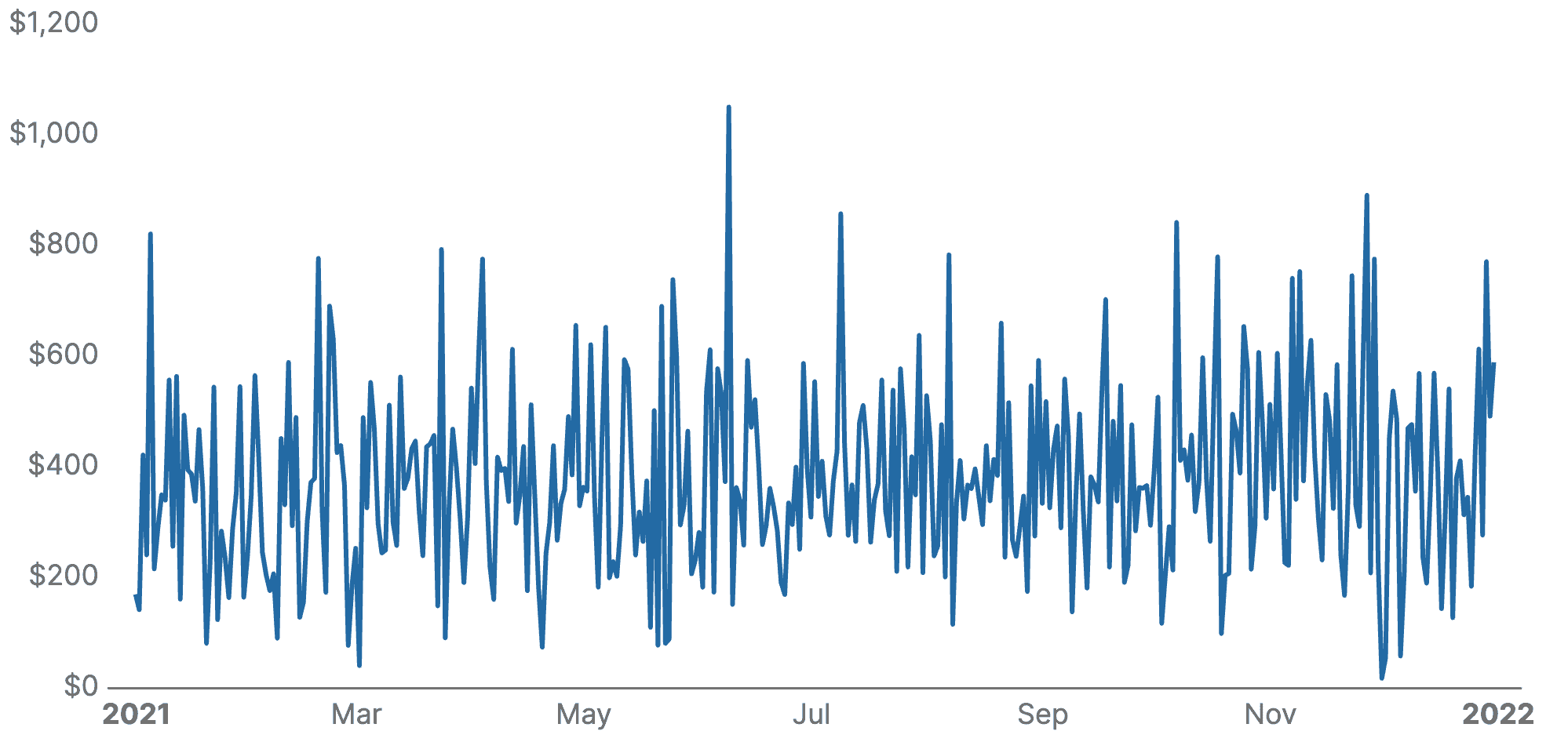
Discrete Vs Continuous Data
Understanding Discrete Time Series
To chart discrete time series data, you first need to understand what discrete time series data is and how it is different from other types of data. Discrete time series data is characterized by its discrete nature, meaning that it is collected at regular intervals and has a clear beginning and end. This type of data is often used to model real-world phenomena, such as stock prices, weather patterns, and traffic flow. Understanding the underlying structure and patterns of discrete time series data is crucial for effective charting and analysis.
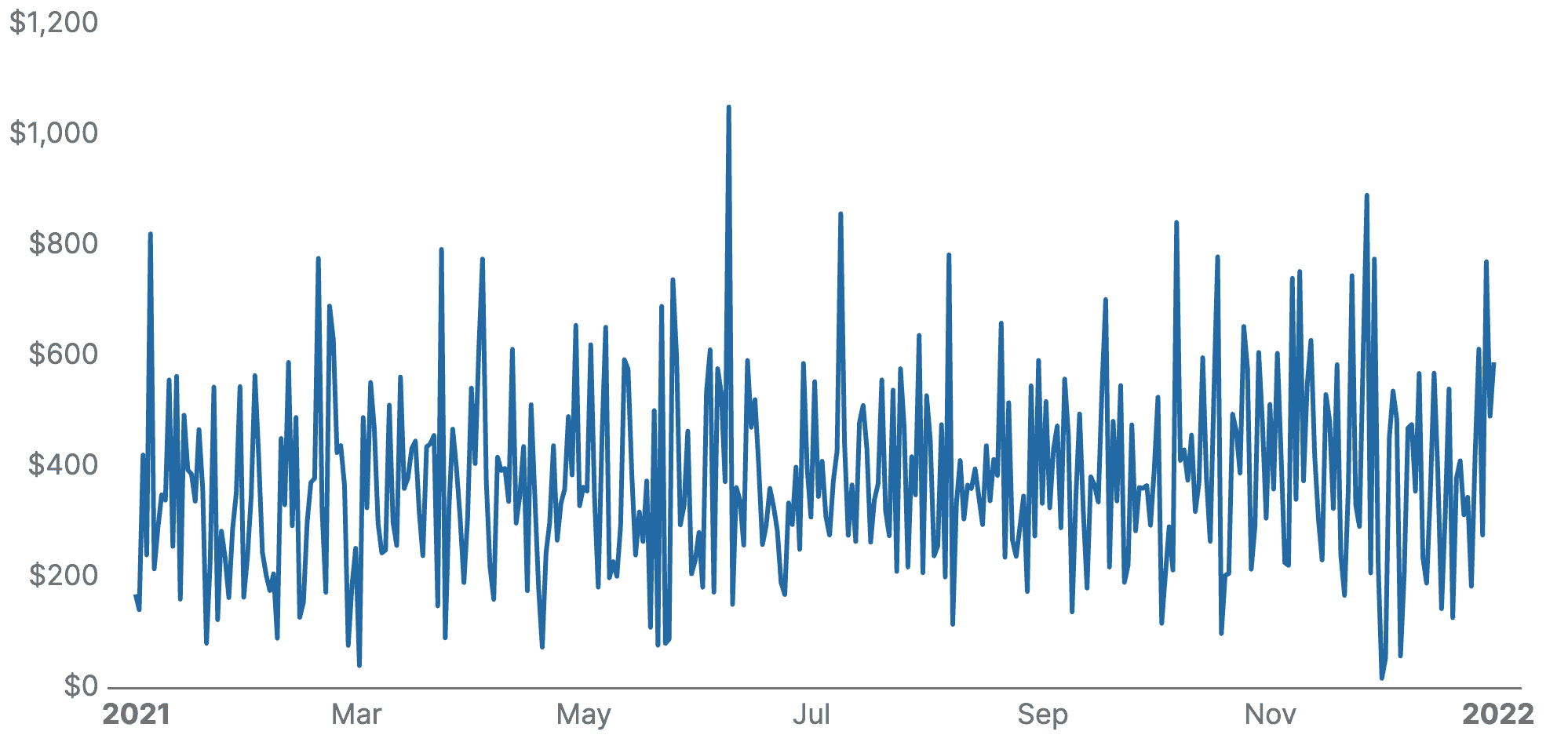
Discrete Vs Continuous Data
Preparing Your Data for Charting
Before you can start charting your discrete time series data, you need to prepare it for analysis. This involves cleaning and formatting the data, handling missing values, and transforming the data into a suitable format for charting. There are many different tools and techniques that can be used to prepare discrete time series data, including spreadsheet software, programming languages, and specialized data analysis software. The key is to choose a tool that is easy to use and can handle the specific needs of your data.
Choosing the Right Charting Tool
Once you have prepared your discrete time series data, you need to choose a charting tool that can effectively visualize the data. There are many different charting tools available, including line charts, bar charts, and scatter plots. The choice of charting tool will depend on the specific characteristics of your data and the story you want to tell. For example, a line chart may be useful for showing trends over time, while a bar chart may be better for comparing values across different categories.
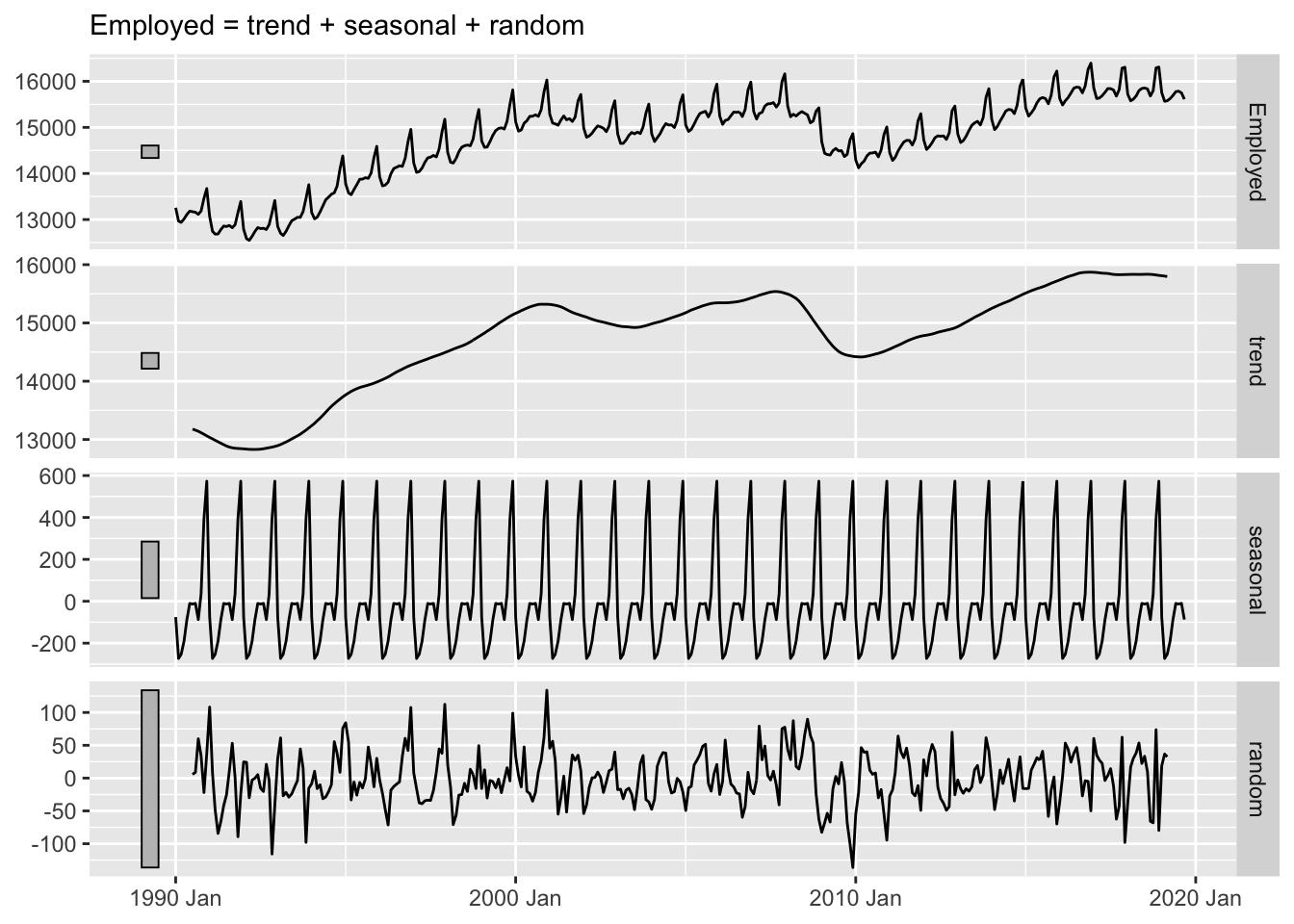
Discrete Cosine Transform And Time Series Classification Tim Mastny
Finally, choosing the right charting tool is crucial for effective charting of discrete time series data. The tool should be easy to use, flexible, and able to handle large datasets. Some popular charting tools for discrete time series data include Excel, Python, and R. These tools offer a range of features and functionalities that can be used to create high-quality charts and visualizations. By following the steps outlined in this article, you can create effective charts and visualizations of your discrete time series data and gain valuable insights into the underlying patterns and trends.
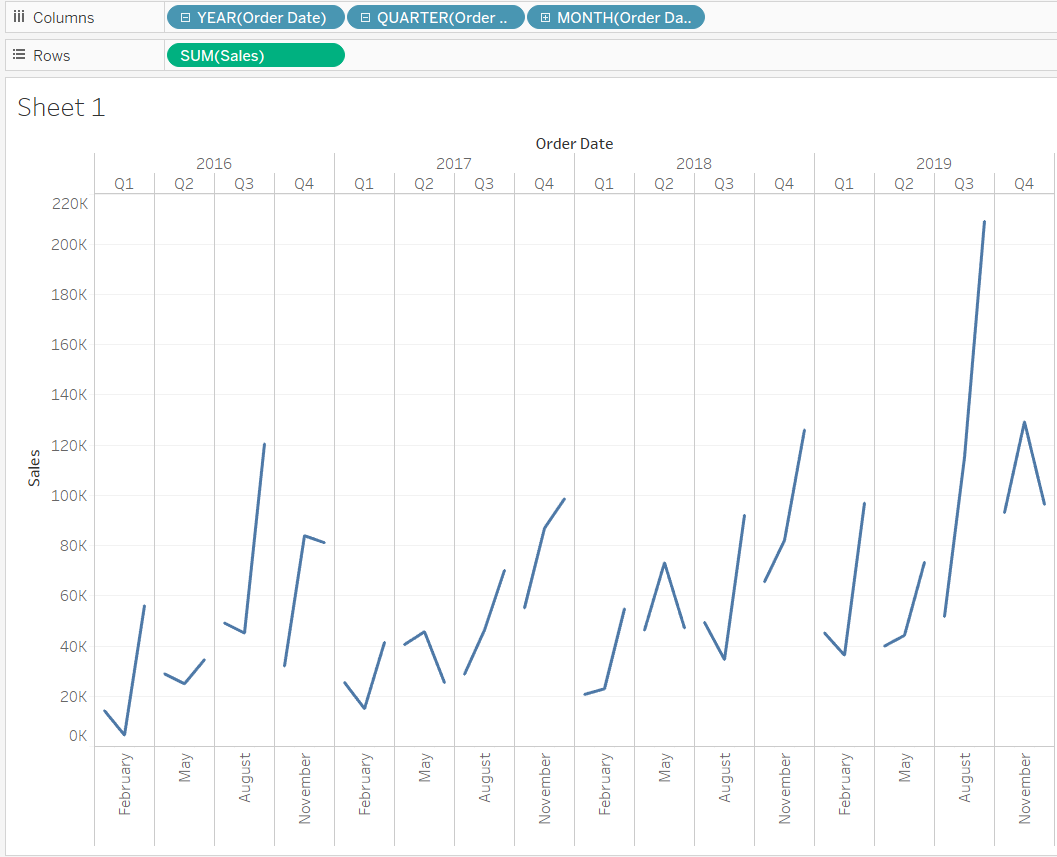
Building A Time Series Chart In Tableau Online Courses Learning Paths And Certifications Pluralsight
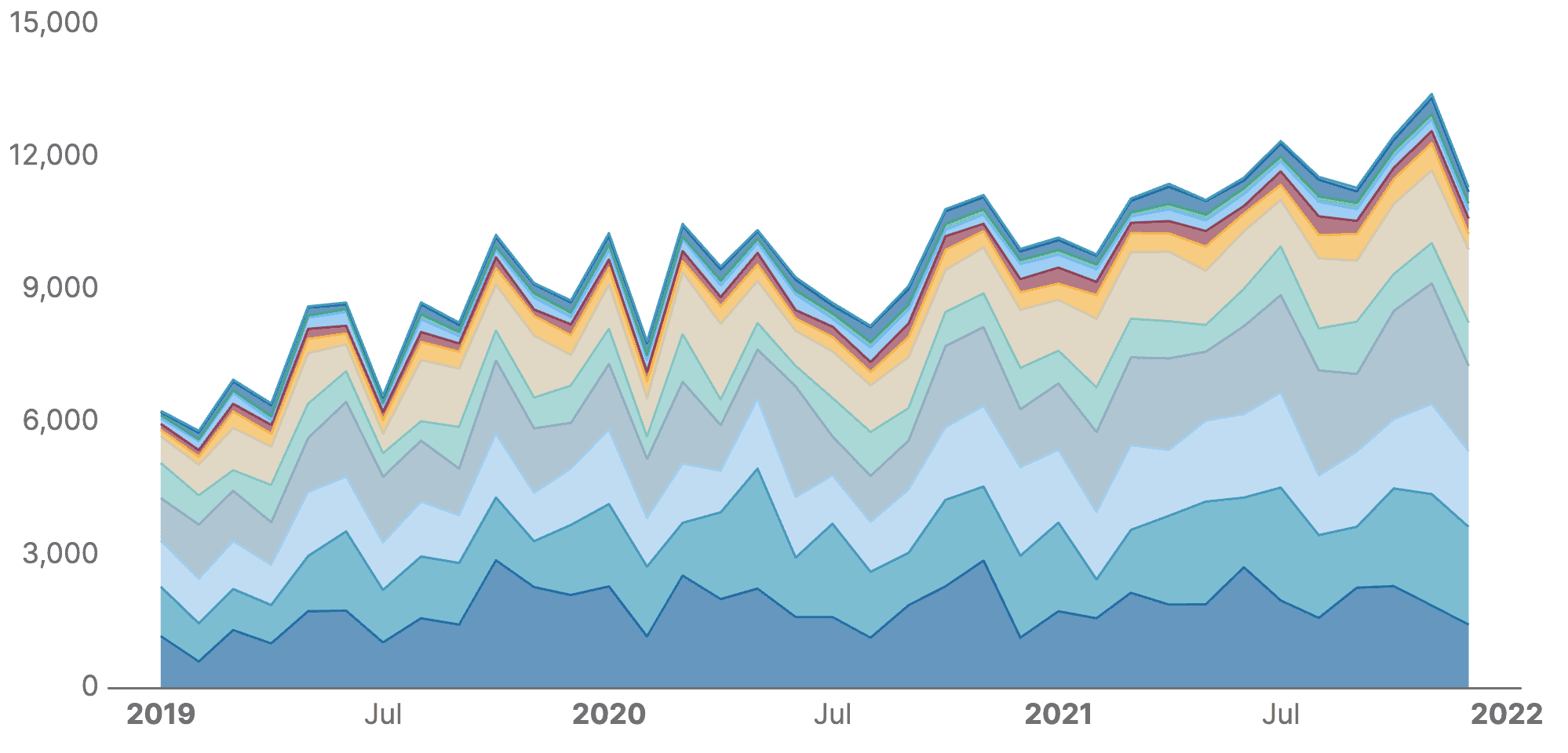
Discrete Vs Continuous Data