Bottleneck time refers to the period in a project when a specific task or process limits the overall progress due to its complexity, resource intensity, or dependency on other tasks. This concept is crucial in project management as it directly impacts the project timeline, budget, and ultimately, its success. Understanding and managing bottleneck time is essential for project managers to ensure that projects are completed on time and within budget.
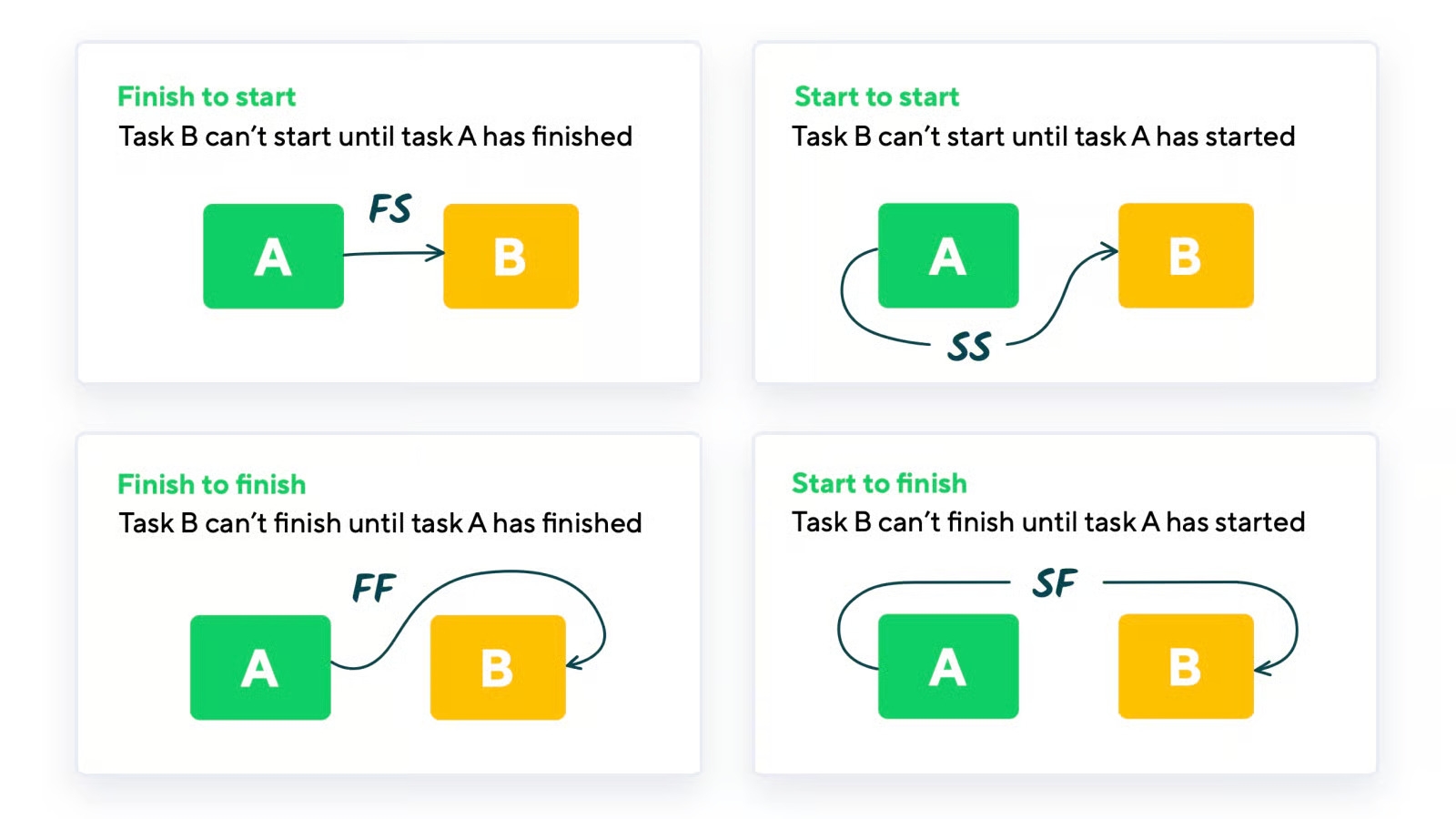
Precedence charts, also known as precedence diagrams or dependency diagrams, are tools used in project management to visualize the sequence of tasks and their dependencies. By analyzing these charts, project managers can identify potential bottlenecks before they occur, allowing for proactive planning and mitigation strategies. The precedence chart provides a clear picture of which tasks are critical and must be completed before others can begin, helping to pinpoint where bottlenecks might arise.
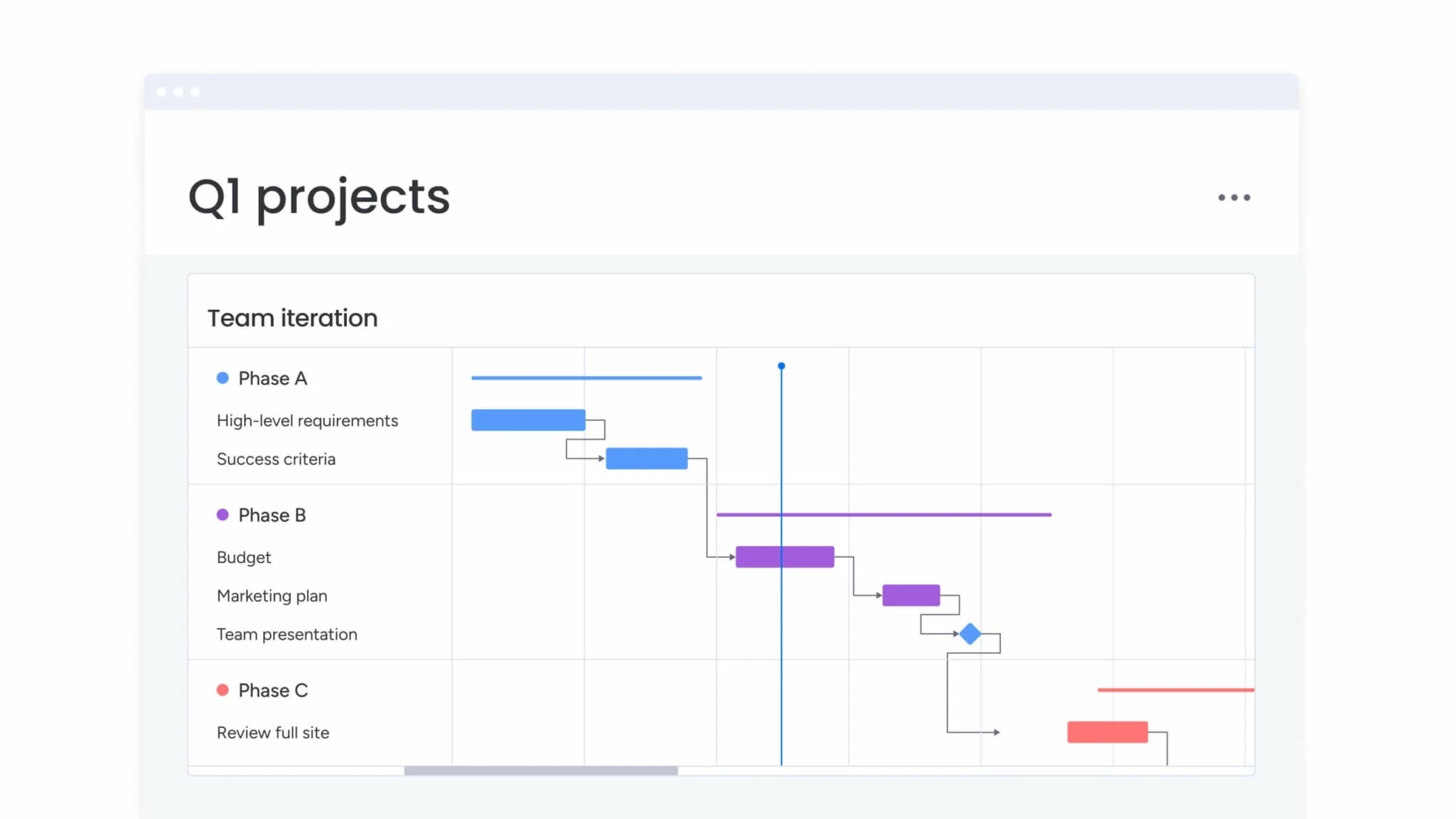
Precedence Diagram Visualize Task Dependencies Easily
What is Bottleneck Time?
Bottleneck time is essentially the time it takes to complete the critical path tasks in a project. The critical path method (CPM) is a step-by-step project management technique for process planning that defines critical and non-critical tasks, including the amount of time that is required to complete a task or project and the minimum duration required to complete a project from start to finish. Identifying bottleneck time involves analyzing the precedence chart to find tasks that are on the critical path and have no slack time, meaning any delay in these tasks will directly impact the project completion date.
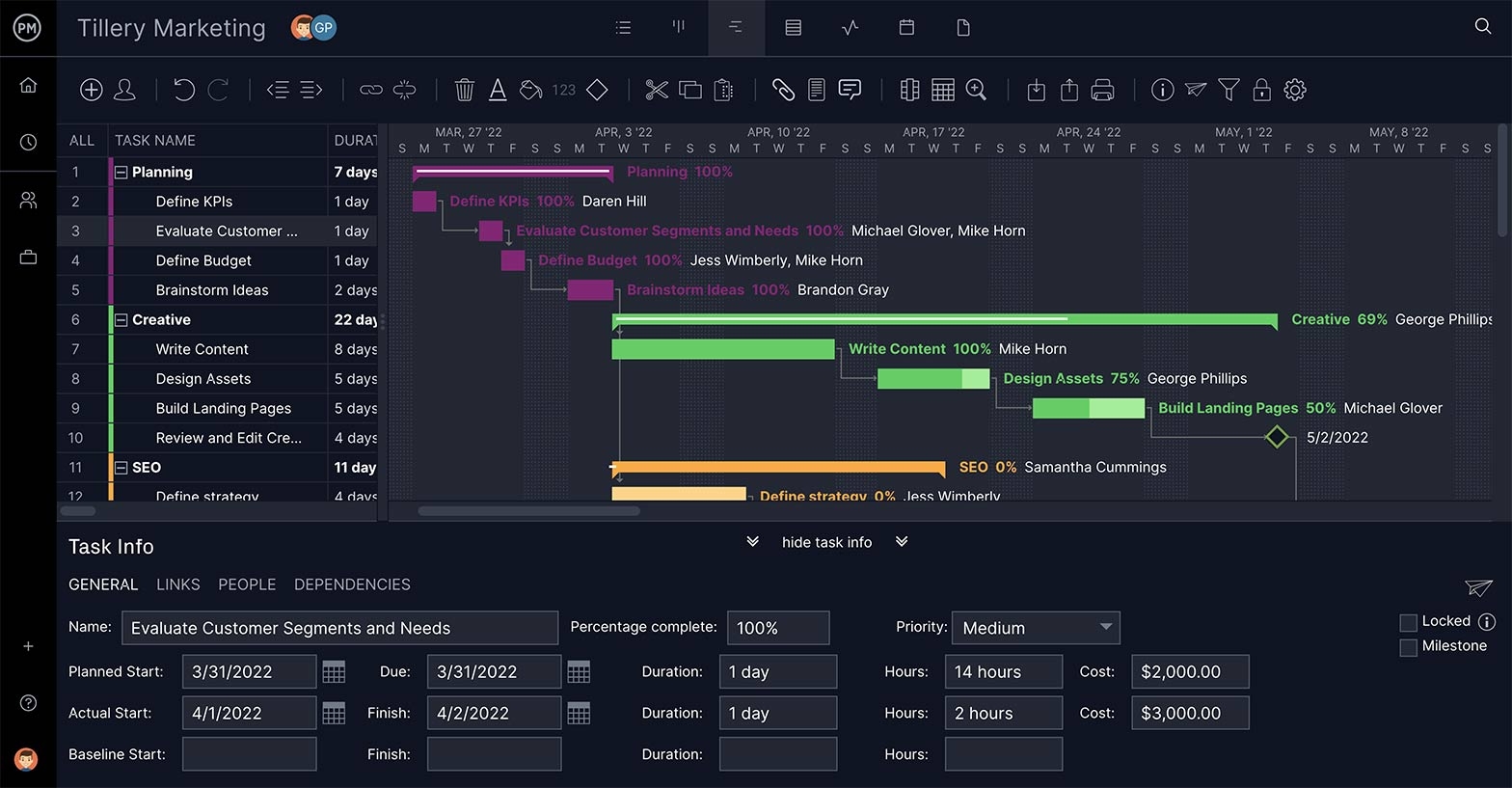
An Intro To The Precedence Diagramming Method DPM
How to Identify Bottleneck Time from Precedence Chart
To identify bottleneck time from a precedence chart, project managers should look for tasks with the following characteristics: they are on the critical path, they have a high duration compared to other tasks, and there are limited resources available to complete these tasks. Additionally, tasks with multiple dependencies, indicating that several other tasks must be completed before this task can start, are potential bottlenecks. By focusing on these tasks, managers can allocate resources more effectively, prioritize tasks, and apply strategies to reduce the bottleneck time, such as adding more resources, outsourcing tasks, or re-evaluating task dependencies.
Strategies to Manage Bottleneck Time
Strategies to manage bottleneck time include resource reallocation, where additional resources are allocated to critical path tasks to reduce their duration. Another strategy is task resequencing, where the order of tasks is rearranged to minimize dependencies and reduce the critical path duration. Outsourcing tasks that are causing bottlenecks can also be an effective strategy, especially if the task requires specialized skills or equipment that are not available in-house. Finally, applying lean principles to eliminate waste and optimize workflows can help in reducing bottleneck times by streamlining processes and improving efficiency.
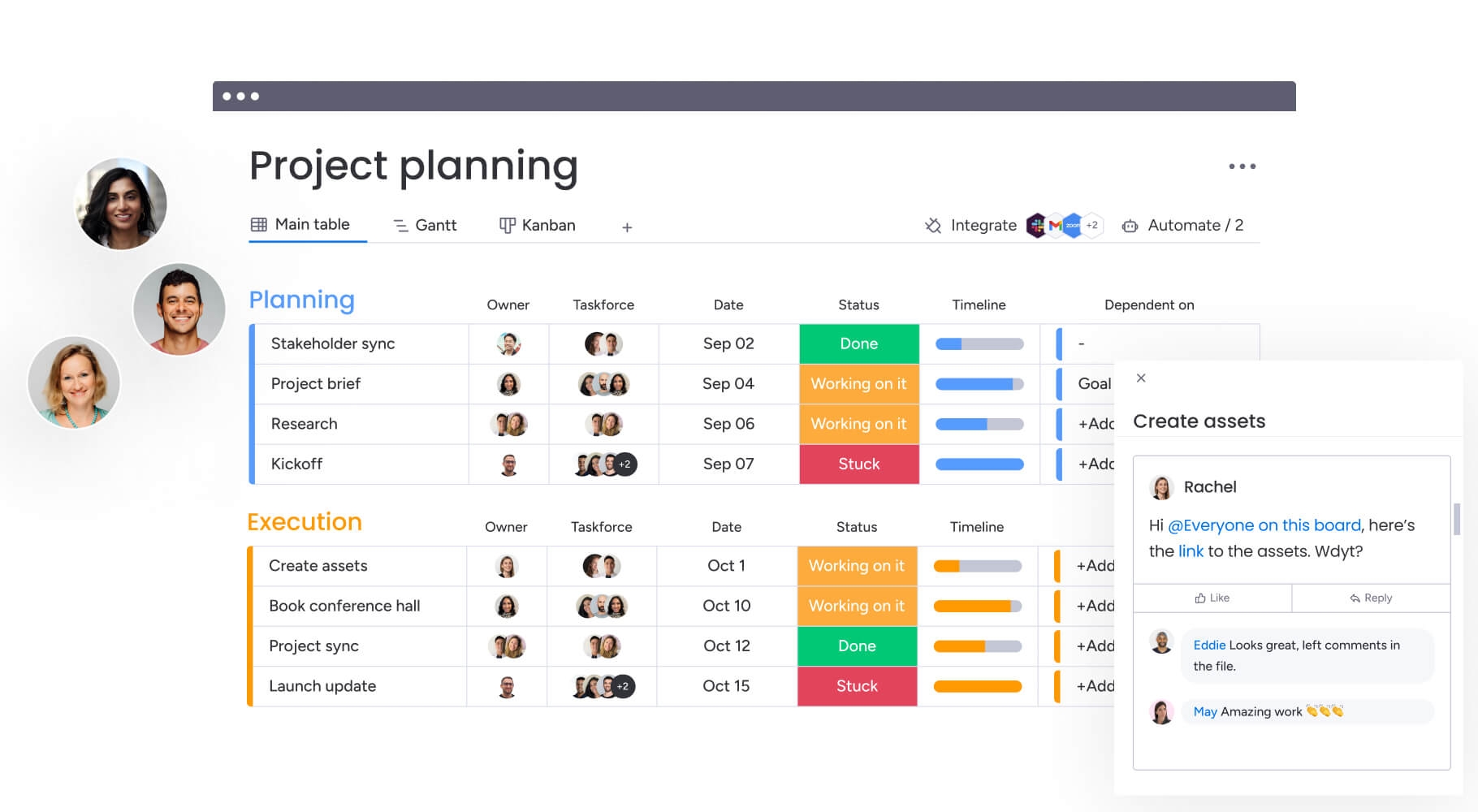
Precedence Diagram Visualize Task Dependencies Easily
In conclusion, managing bottleneck time from a precedence chart is a critical aspect of project management. By understanding what bottleneck time is, how to identify it using precedence charts, and applying strategies to manage it, project managers can significantly improve project outcomes. Effective bottleneck management ensures that projects are delivered on time, within budget, and to the required quality standards, leading to increased customer satisfaction and improved business reputation. Continuous monitoring and adaptation of project plans in response to changing circumstances are also key to successfully navigating bottlenecks and achieving project success.
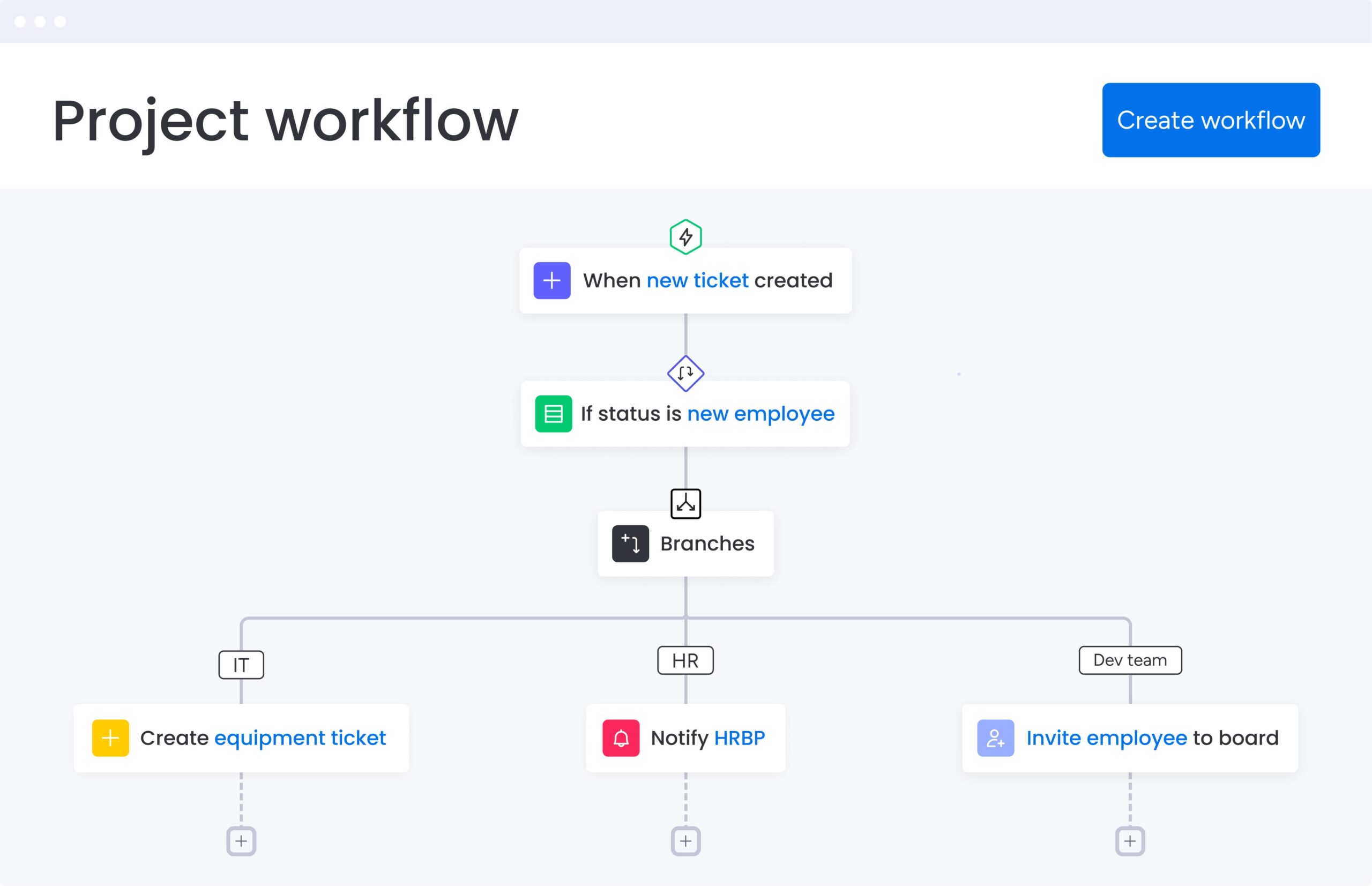
Precedence Diagram Visualize Task Dependencies Easily
Master Network Diagram In Project Management 2025