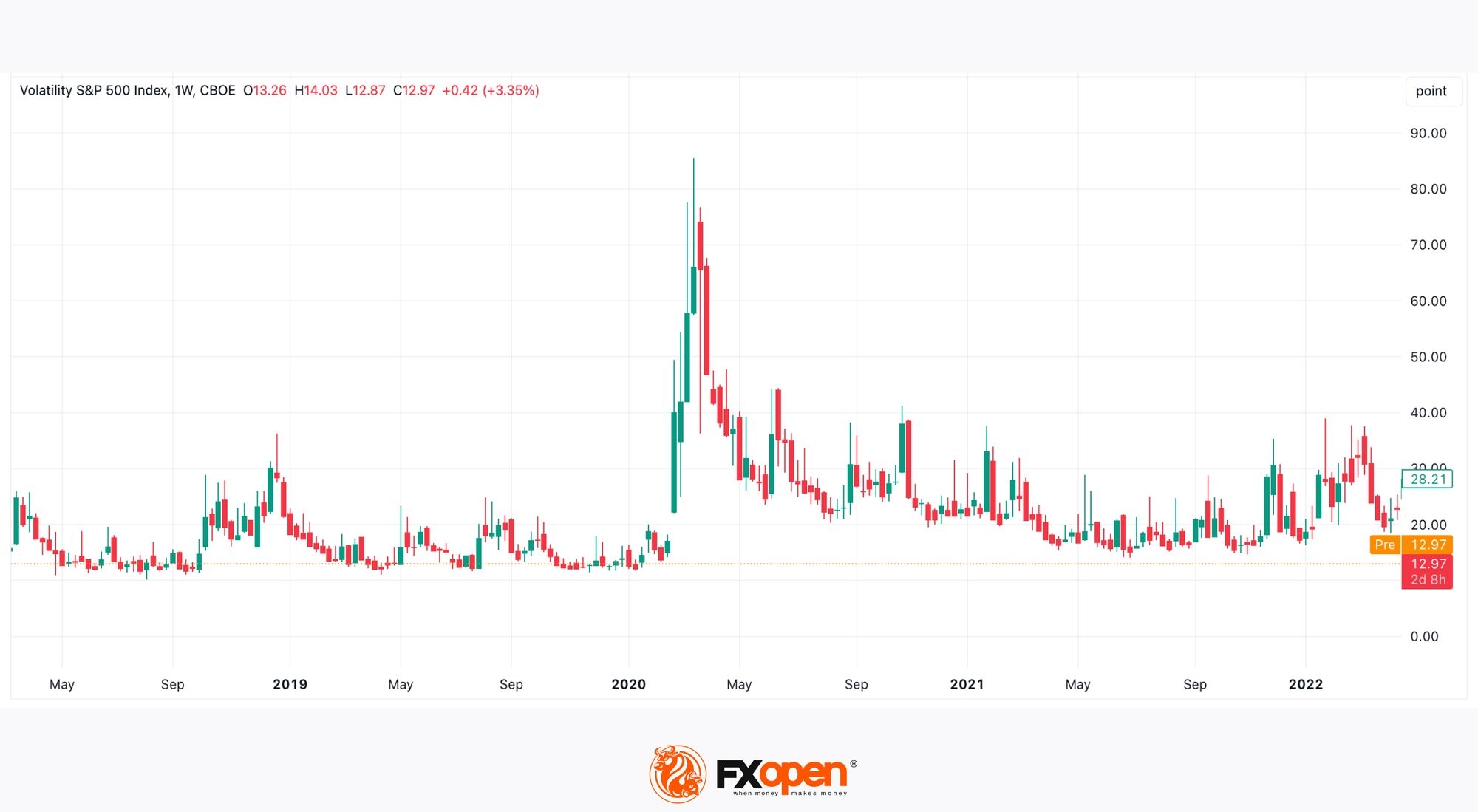
Market volatility can be a significant challenge for investors, as it directly impacts the value of their investments. The VIX index, often referred to as the ‘fear index,’ measures the expected volatility of the S&P 500 index over the next 30 days. It is calculated based on the prices of options on the S&P 500 index. A real-time VIX chart provides investors with up-to-the-minute data on market volatility, allowing them to make more informed investment decisions.
The importance of real-time data cannot be overstated in today’s fast-paced financial markets. With the ability to track changes in volatility as they happen, investors can respond quickly to shifts in market sentiment. This can help mitigate potential losses and capitalize on new opportunities. Whether you’re a seasoned trader or just starting to invest, understanding how to use a real-time VIX chart is crucial for navigating the complexities of the market.
What Is The VIX Index And How Is It Used In Trading Market Pulse
Understanding the VIX Index
The VIX index is a widely followed metric that provides insight into market expectations of future volatility. It is based on the prices of call and put options on the S&P 500 index. A higher VIX reading indicates higher expected volatility, while a lower reading suggests lower expected volatility. Understanding the VIX index is the first step in effectively using a real-time VIX chart for investment decisions.
What Is The VIX Index And How Is It Used In Trading Market Pulse
How to Read a Real Time VIX Chart
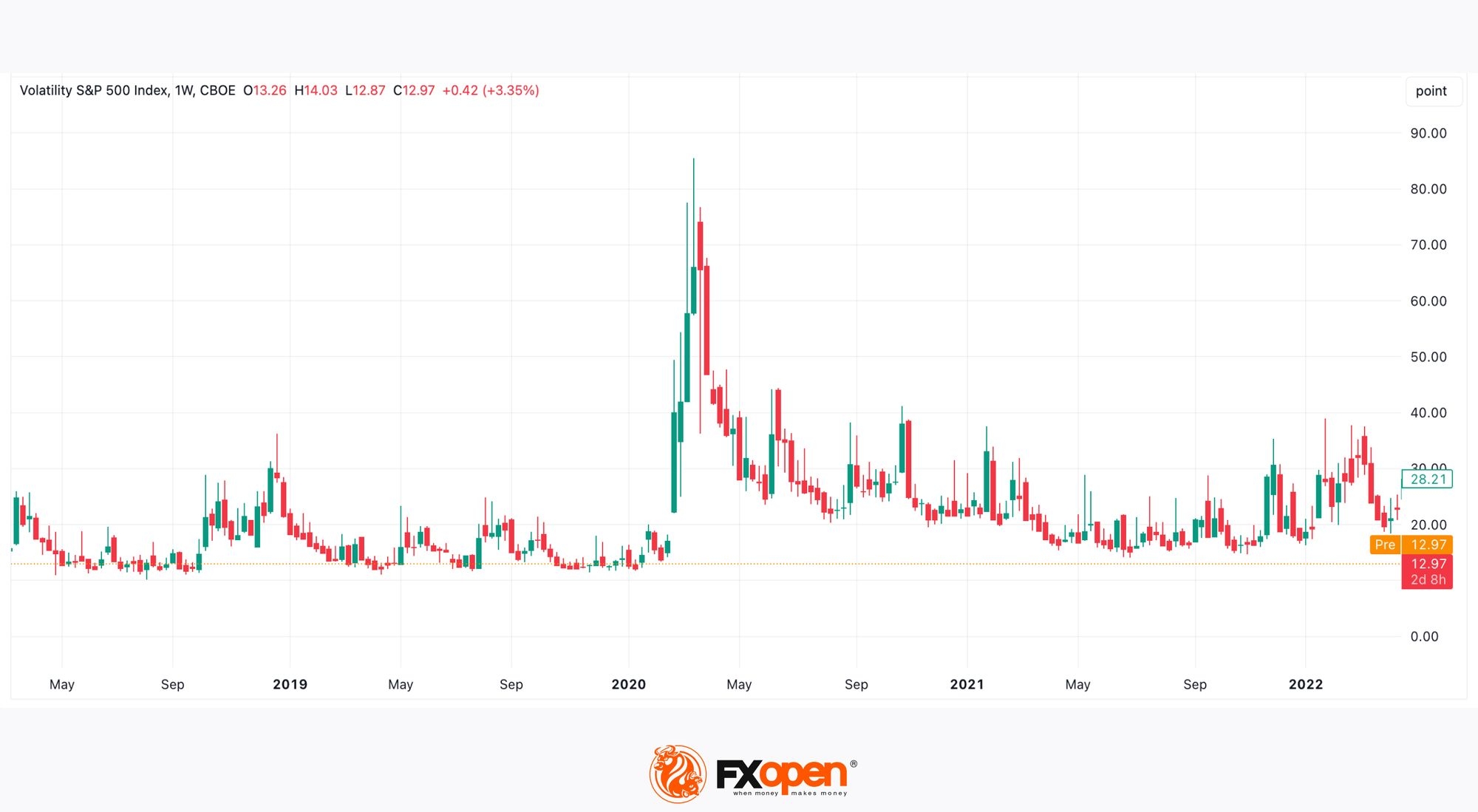
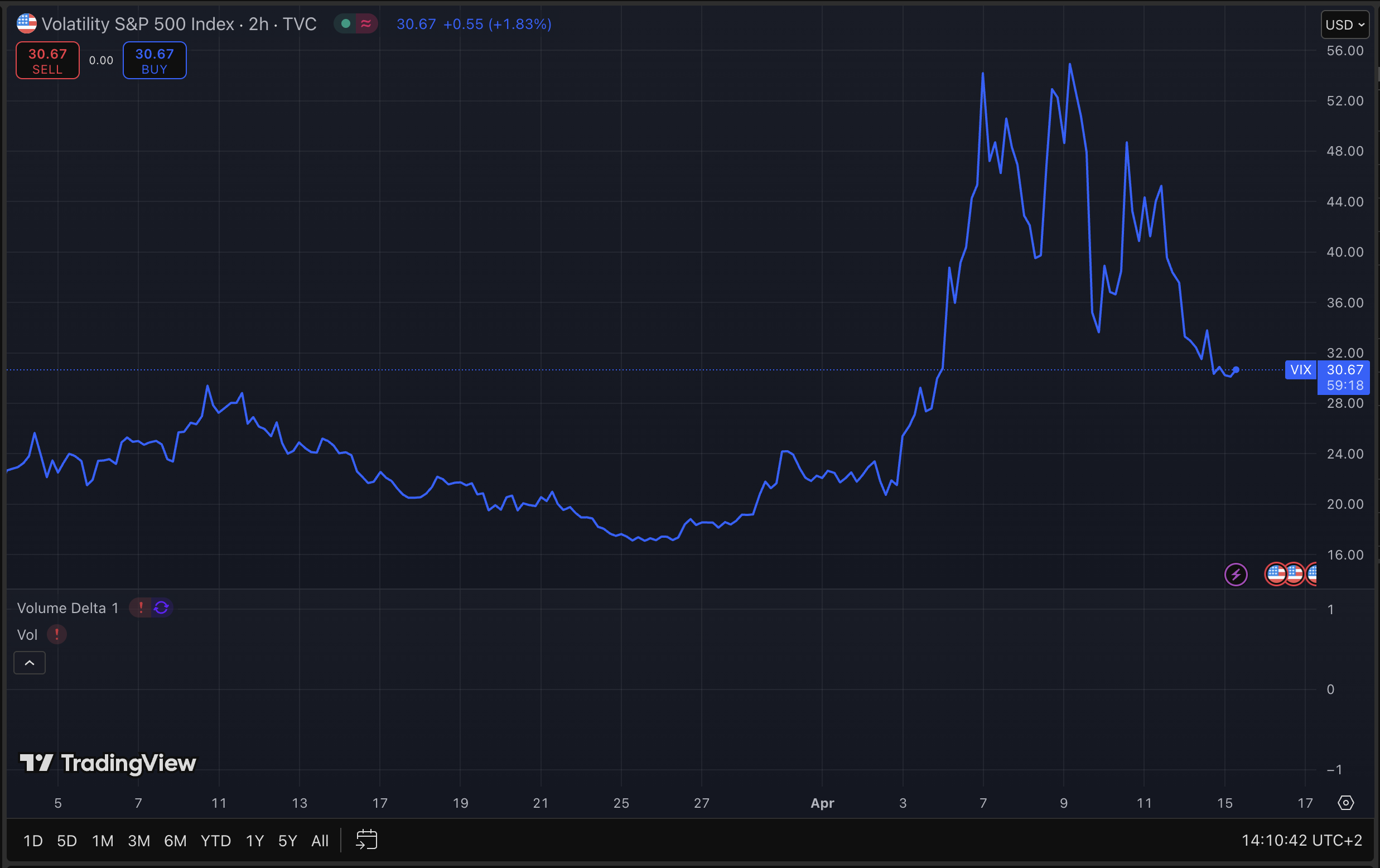
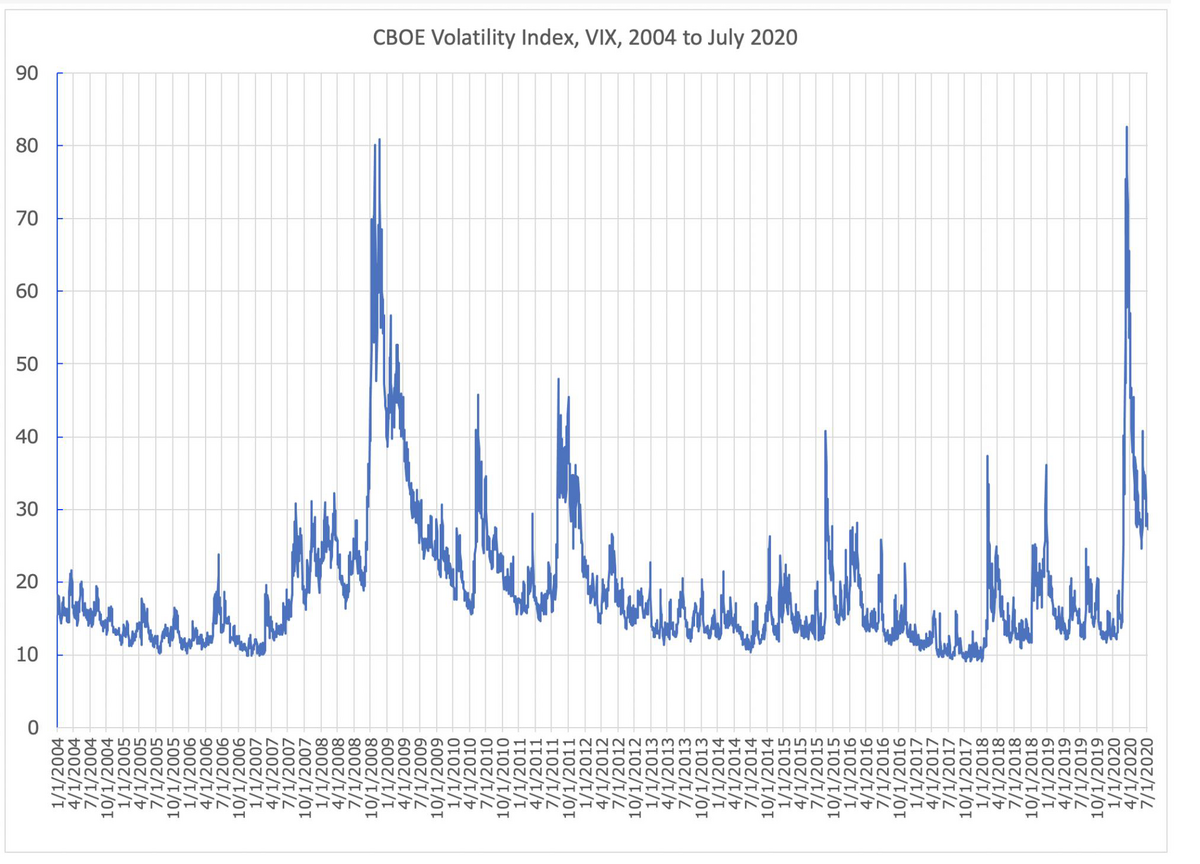
Reading a real-time VIX chart involves understanding its components and how they relate to market conditions. The chart typically shows the current VIX level, historical data, and sometimes additional indicators such as moving averages or trend lines. By analyzing these elements, investors can identify patterns or trends in volatility that may inform their investment strategies. For example, a spike in the VIX could indicate increasing market fear, potentially signaling a buying opportunity for contrarian investors.
Using Real Time VIX Charts for Investment Decisions
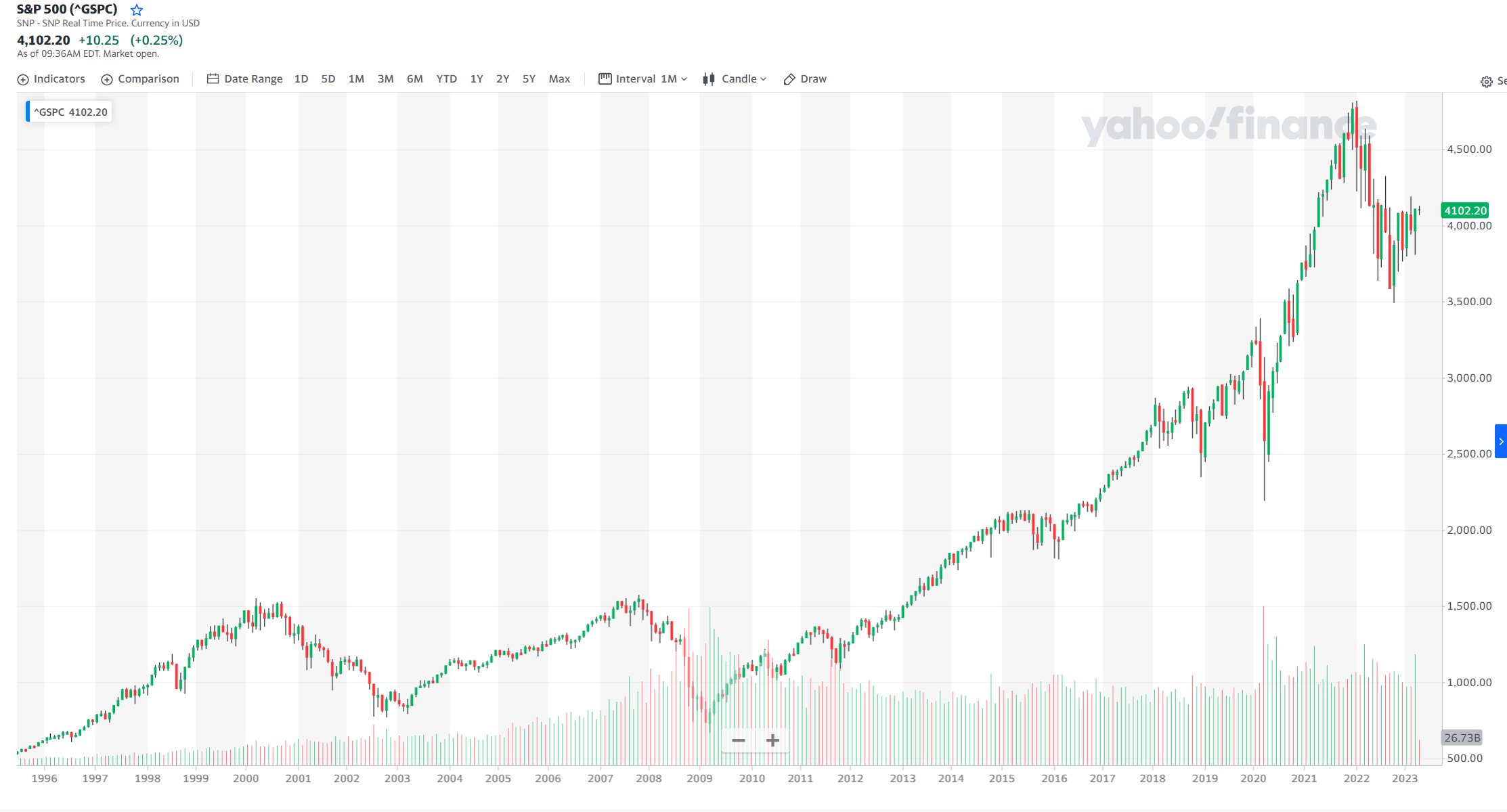
Using real-time VIX charts for investment decisions involves integrating the data into a broader investment strategy. Investors might use the VIX to time their entries and exits from the market, to hedge against potential losses, or to identify sectors or assets that are less correlated with overall market volatility. For instance, during periods of high volatility, investors might shift their portfolio towards more stable assets or use options strategies to protect their positions. The real-time nature of the chart allows for swift adjustments in response to changing market conditions.
What You Need To Know About VIX CBOE Volatility Index Alaric Securities
In conclusion, a real-time VIX chart is a powerful tool for investors seeking to navigate the complexities of market volatility. By understanding the VIX index, learning how to read a real-time VIX chart, and incorporating this data into their investment strategies, investors can make more informed decisions and potentially improve their portfolio’s performance. As the financial markets continue to evolve, the importance of real-time data and volatility management will only continue to grow, making the real-time VIX chart an indispensable resource for investors.
VIX TradeLocker
VIX Wikipedia